Phillip Toledano's AI Archive Prank Lands at Fotografiska Berlin
Phillip Toledano exhibited 20 AI-generated prints as a rediscovered 1930s New York street archive at Fotografiska Berlin. Mark Durden's June 2026 review in 1000 Words calls the work 'street photography by numbers' — and locates its weakness in the absence of what Agee called 'the
Updated
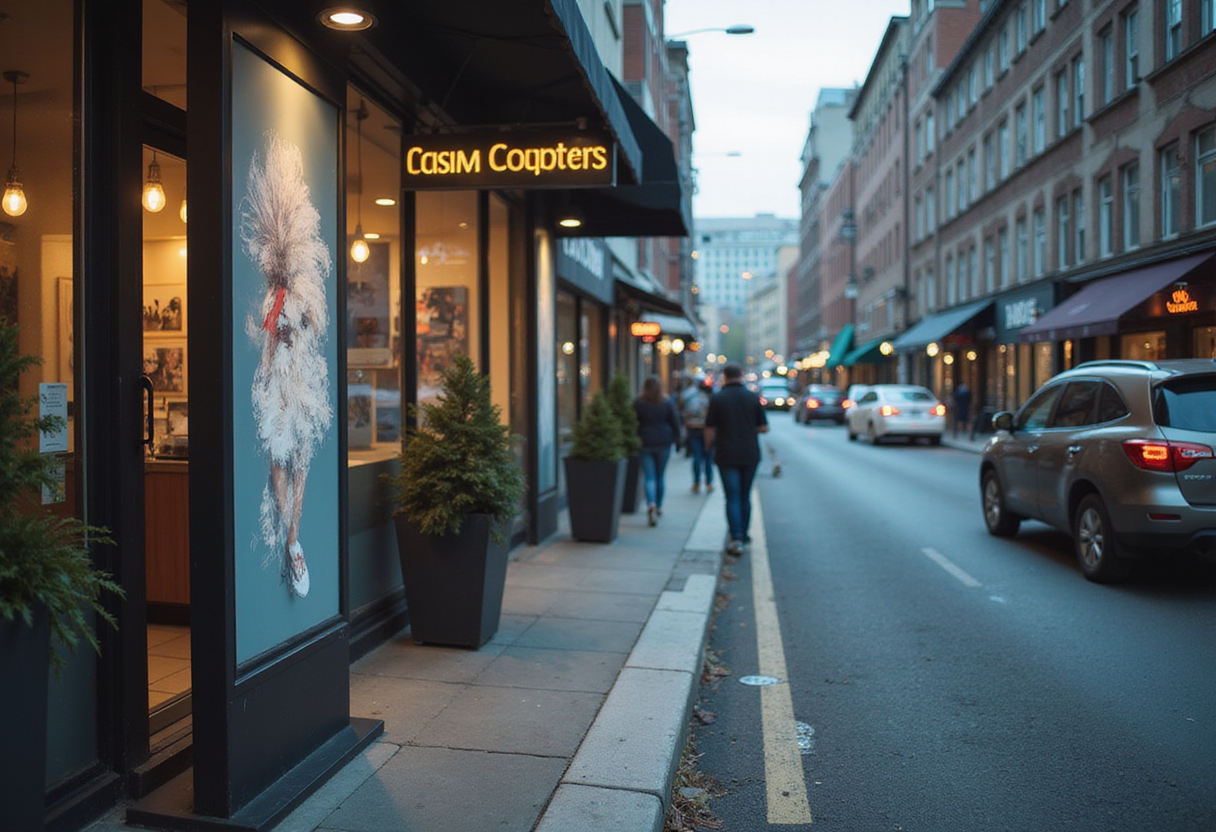
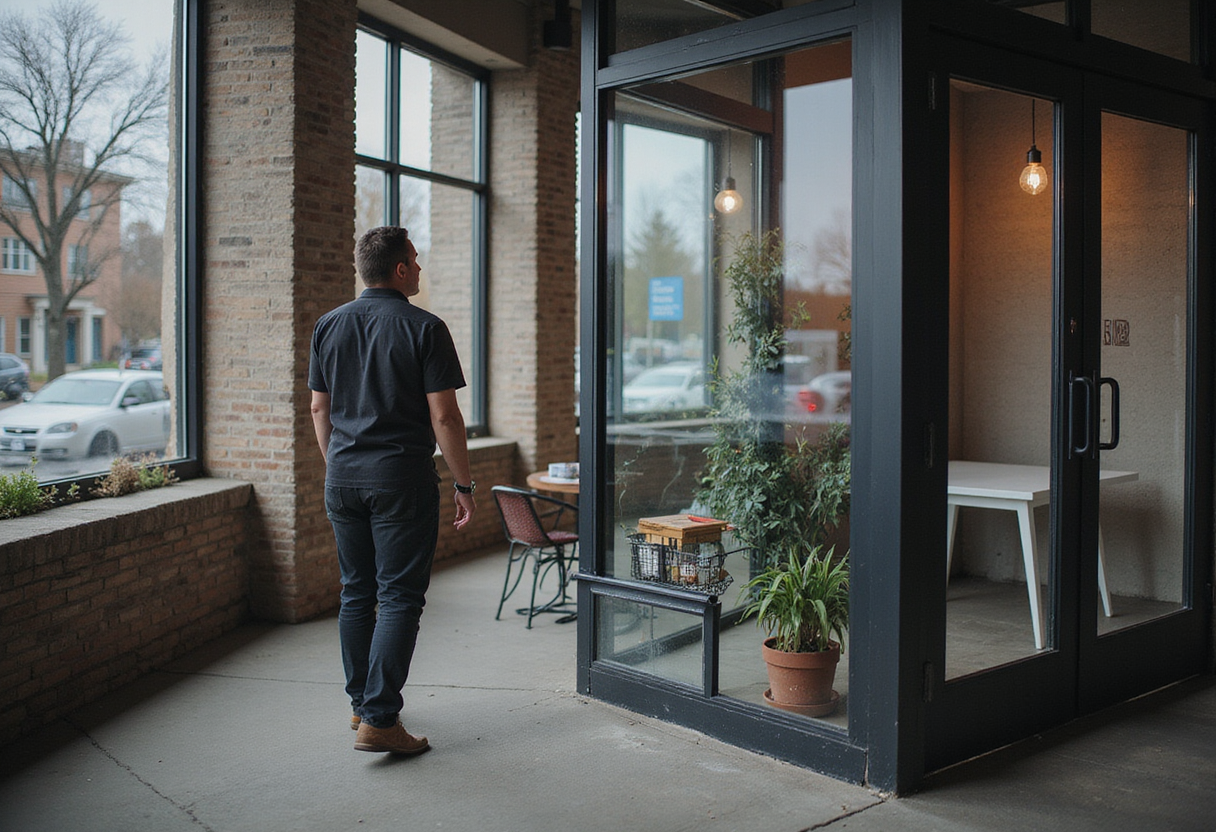
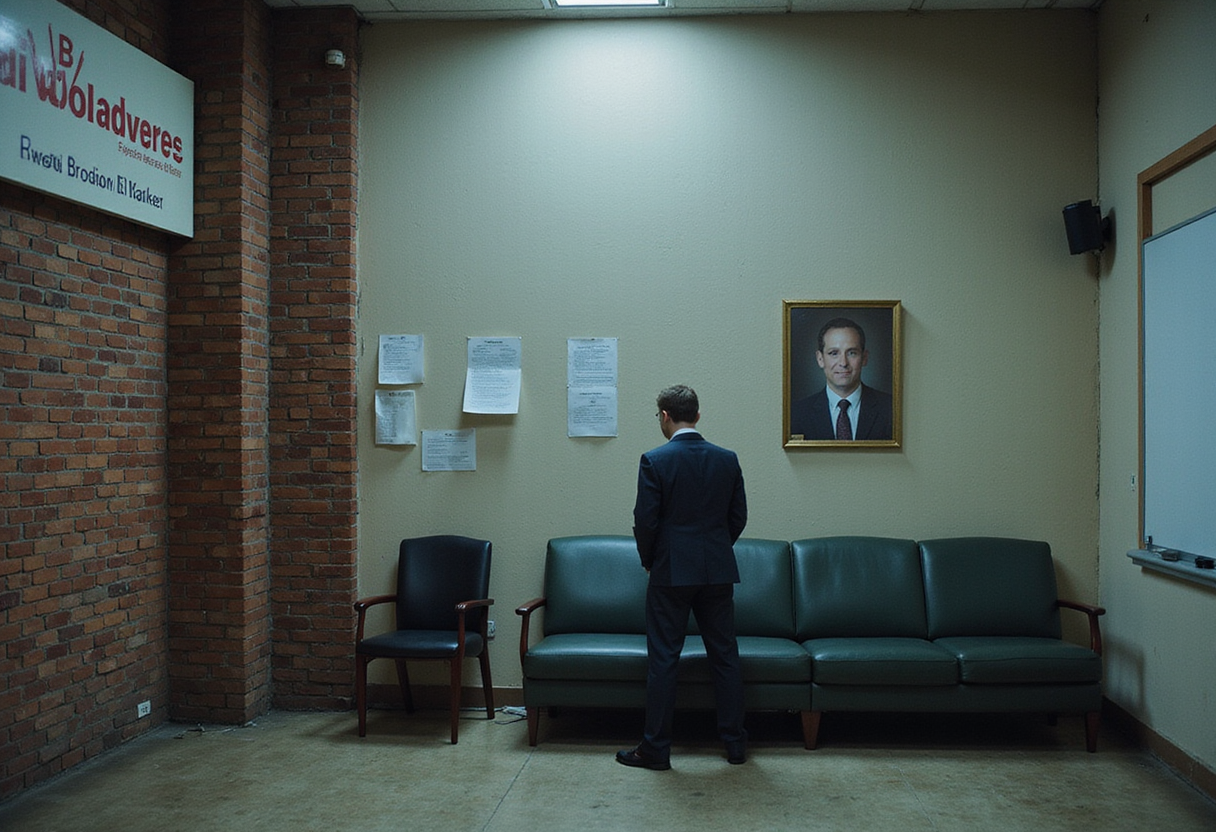
Twenty matted black-and-white prints at Fotografiska Berlin posed as a rediscovered cache of negatives shot by a forgotten New York street photographer named Edward Trevor. Edward Trevor: Never Seen the Light ran from 28 March to 31 May 2026 before a video screen at the far end of the show confirmed every frame was AI-generated and the photographer never existed.
What is the show actually doing?
Toledano framed the project as a conceptual exercise. He says the goal was to test whether synthetic images can still carry "beauty and emotion" once stripped of human encounter. The work targets what the artist has elsewhere called our "age of synthetic imagery," and the exhibition blurb borrows that phrase verbatim.
The conceit, pitched as a critique of photographic truth, leans instead on romantic authorship — the lone genius, the lost archive, the recovered treasure. Mark Durden, writing in the 18 June 2026 issue of 1000 Words magazine, called the result "street photography by numbers."
Durden, Professor of Photography and Director of the European Centre for Documentary Research at the University of South Wales, brings institutional weight to the charge.
Where do the prints fall short?
The frames lean on stock strangeness. A woman waters the sidewalk while her face turns the opposite direction. A riderless black horse runs at night ahead of traffic. Cigarette smoke spirals around a streetwise elder in a halo backlit too neatly to trust.
Durden reads these choices as compensatory: AI summarises and classifies, so it preserves the common and discards the exceptional, leaving the artist to overwork the quirks in defence.
One visitor quoted on the exhibition's feedback wall put the ethical stake plainly: "By using AI you create an image that is based on images that were stolen from artists all over the world — since algorithms only replicate what they have been trained on."
Durden also notes that asking ChatGPT to write a review of the show produced the adjectives "frictionless," "hollow," and "high resolution AI slop" — his own prompt, he admits, but instructive about which words the discourse now reaches for first.
What does Durden propose instead?
Durden reaches back to James Agee's 1965 essay on Helen Levitt's Harlem photographs, published posthumously. Agee argued the street photographer's task is to reveal "the unimagined world" — the comic, odd, beautiful, inexplicable moment observed rather than constructed.
- Levitt's work rewards receptive, perceptual attention.
- Toledano's delivers hyperbolic, over-insistent oddities.
- The Berlin run, in Durden's reading, stages "frictionless fictions."
Levitt's eye catches the woman watering one way while her hosepipe sprays another. Toledano's eye scripts the gag. The difference, Durden argues, is the difference between a discovered moment and a designed one.
Why does the timing matter?
The Berlin run stages a hoax inside a major commercial gallery, placing the question at the centre of an institutional conversation. Toledano has built a profile championing AI photography through recent talks and online posts.
The reveal itself arrives in a statement on a video screen at the other end of the show, alongside comments from critics who spotted the generative hand.
Agee, writing on Levitt in 1965, answered for the medium's defenders: "No one could write, paint, act, dance or embody in music, the woman's sheltering and magnanimous arm or tilt and voice of smiling head, or bearing or whole demeanour."
The point is that the document records something the other arts cannot synthesise. Toledano's archive, stripped of that record, leaves only pastiche.
What changes for practitioners?
Three working takeaways for photographers weighing AI in their pipeline:
- A frame that could have been made by anyone tends to get exposed as such.
- Romantic provenance — lost archive, dead father, stage name — borrows trust the work itself does not earn.
- AI shifts the viewer's first question from "what is this?" to "where did this come from?"
Where does the debate head next?
Durden closes on an inversion. AI may well signal, as he puts it, "a greater valorisation of the document itself, a greater appreciation of traditional photography." Toledano's hoax, by pretending to recover those documentary qualities as a lost family treasure, exposes what readers lose when the indexical trace disappears.
For practitioners weighing AI in the studio, that points to a market correction rather than a wholesale rejection of new tools. A frame carrying provenance — a date, a place, a chain of custody — reads sharper in 2026 than it did in 2023.
The Vivian Maier-style discovery Toledano parodied still commands attention because the chain of custody holds. By staging a fake archive inside a serious gallery, Toledano may end up reminding the trade what an authentic one looks like.
Key points
- Phillip Toledano's 'Edward Trevor: Never Seen the Light' showed 20 AI-generated prints as a fictional 1930s–40s New York street archive at Fotografiska Berlin, 28 March – 31 May 2026.
- Mark Durden reviewed the show in the 18 June 2026 issue of 1000 Words magazine, characterising it as 'street photography by numbers.'
- The exhibition's video statement confirmed Edward Trevor was a fictional stage name and the photographer never existed.
- Durden anchored his critique in James Agee's 1965 essay on Helen Levitt's Harlem photographs, arguing AI strips out 'the unimagined world.'
- Durden concluded the work may signal 'a greater valorisation of the document itself, a greater appreciation of traditional photography.'
Original: patreon.com
James Calloway
Show full bio
Market editor covering people, launches and day-to-day practice in Photography exhibitions, photographers, photo books, festivals and awards at Lens Gazette.