Melissa Auf der Maur Reopens the '90s Through Her Own Lens
The Hole and Smashing Pumpkins bassist presents photographs made from inside the '90s alternative scene — a participant's archive of a decade now entering institutional reassessment.
Updated
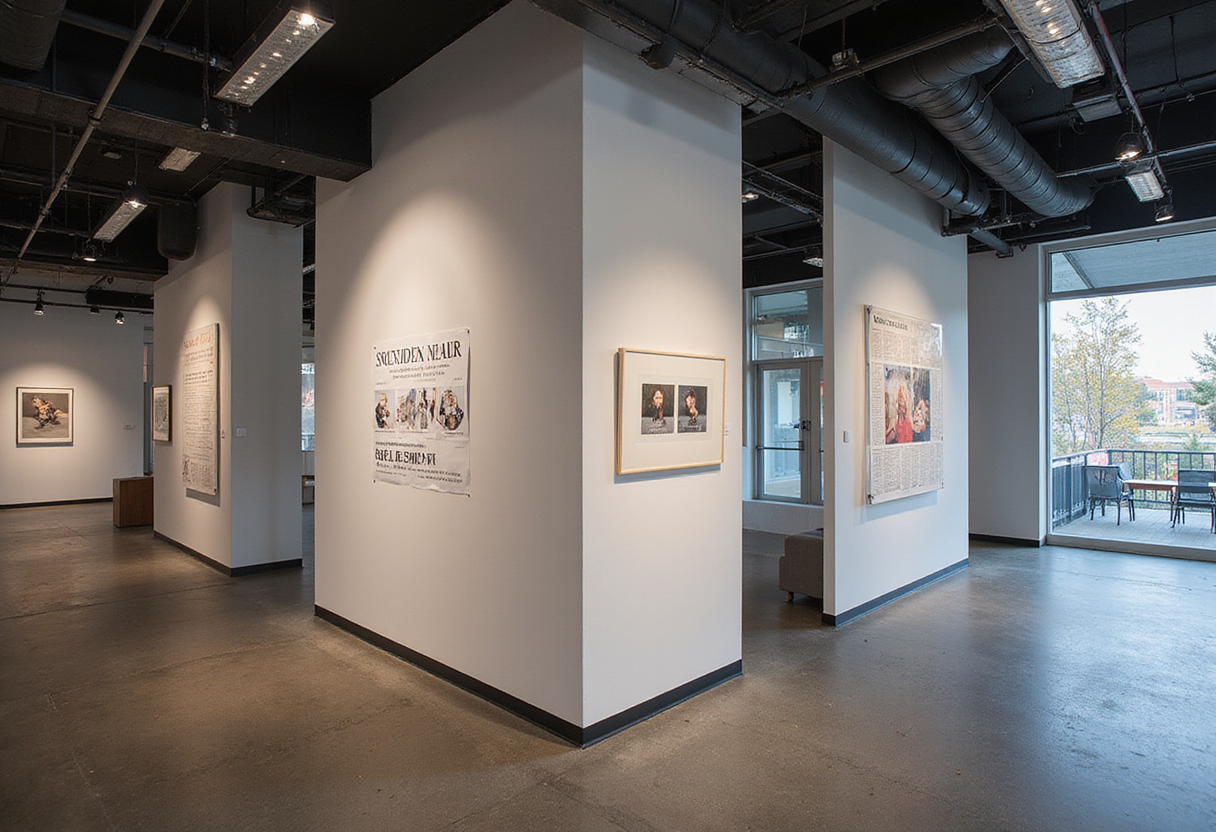
Melissa Auf der Maur, the bassist best known for her years in Hole and Smashing Pumpkins, is showing her photography in an exhibition that CBC has called "the '90s portal we've been missing" — a body of work built from inside the decade rather than looking back at it from outside.
The framing matters. Auf der Maur did not arrive at photography as a celebrity hobbyist photographing the scene from a spectator's seat. She was a working musician at the center of the alternative rock explosion, and her camera traveled where she traveled: rehearsal rooms, tours, the unguarded intervals between performances that press photographers almost never see. That insider position is the exhibition's core claim on viewers' attention.
What distinguishes the work from rock memorabilia?
The genre Auf der Maur enters is already crowded and well documented. From Annie Leibovitz's touring portraits to Jim Marshall's backstage reportage, musicians photographing musicians has produced some of the most widely reproduced images of the late twentieth century. The strongest such archives succeed not because of access alone but because the photographer's presence changed nothing — the subjects forgot the camera.
CBC's description suggests Auf der Maur's exhibition functions this way: less a nostalgia exercise than a document of a specific cultural moment, with the photographer as participant-witness. The '90s alternative scene she documented has since been absorbed into institutional and market history, and firsthand photographic testimony from within it carries evidentiary weight that outside coverage cannot match.
Why now?
Timing gives the show its currency. The '90s alternative generation is currently moving through a wave of institutional reassessment — retrospectives, reissues, and museum acquisitions — as the decade's participants reach the age of archive-building. An exhibition like this one positions Auf der Maur's negatives and prints not as ephemera but as primary material for that reassessment.
For viewers who lived through the era, the appeal is obvious. For younger audiences, the show offers something rarer: an unmediated view of a pre-digital music culture, made before every backstage moment was content. The camera that produced these images was itself an act of discretion.
Whether the exhibition will travel beyond its current presentation, or expand into a fuller catalogue of her archive, remains to be seen — but as the '90s continue their institutional canonization, participant-photographers like Auf der Maur are likely to become increasingly essential sources.
Editor's note: This report is based on CBC's coverage of the exhibition; Lens Gazette has not independently reviewed the show.
Key points
- Melissa Auf der Maur, former bassist of Hole and Smashing Pumpkins, is exhibiting her photography
- CBC described the exhibition as "the '90s portal we've been missing"
- The work documents the 1990s alternative rock scene from a participant's perspective
- The exhibition arrives amid wider institutional reassessment of '90s alternative culture
Source: Google News: photography exhibition
Marcus Bennett
Show full bio
Correspondent covering consumer brands and retail at Lens Gazette.