Max Dupain Retrospective Opens at the State Library of NSW
The State Library of NSW has opened a major Max Dupain retrospective, reframing Australia's most recognised photographer through the breadth of his archive.
Updated
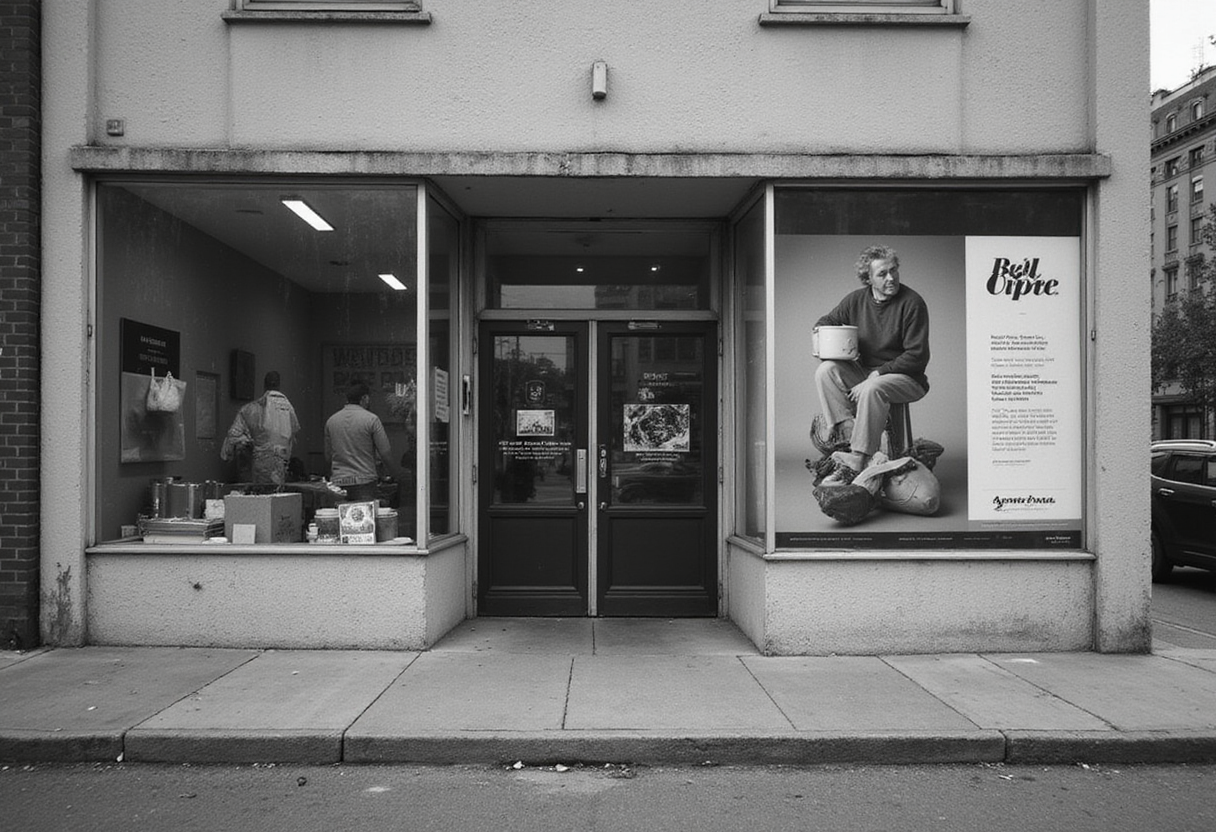
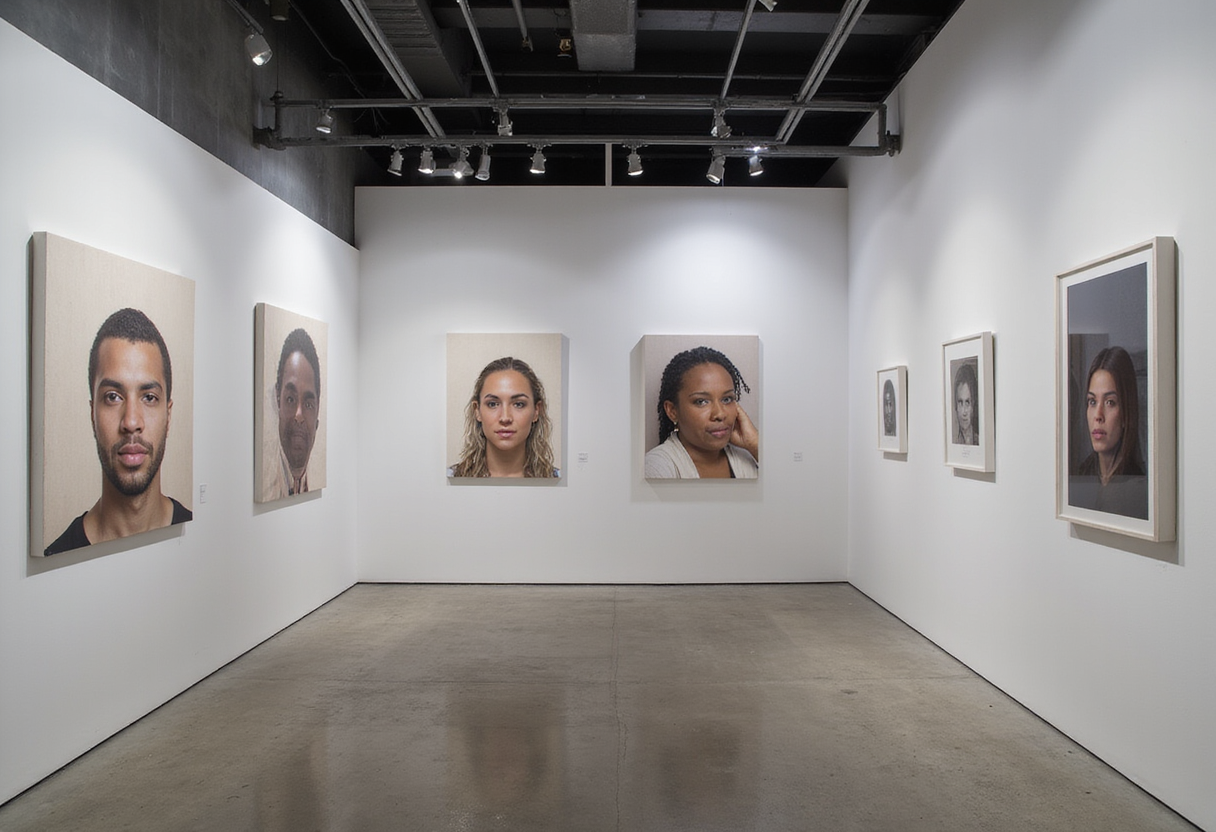
The State Library of New South Wales in Sydney has opened a major retrospective devoted to Max Dupain, the photographer whose name remains inseparable from the Australian visual imagination. For a public institution whose collections hold much of the country's documentary and photographic heritage, a full-scale exhibition of Dupain's work is a statement of intent: it repositions him not merely as the author of a handful of iconic images, but as a figure whose decades-long practice deserves sustained, room-sized attention.
Dupain occupies a position in Australian photography that few of his compatriots approach. Born in 1911 and active from the 1930s until late in the twentieth century, he built a body of work that spans portraiture, architecture, landscape, documentary assignment and commercial commissions. International audiences may know him principally through a single picture — the 1937 photograph of a recumbent swimmer on a beach, an image so widely reproduced that it has become shorthand for an entire national mythology of sun, coast and physical ease. A retrospective format allows that familiarity to be tested against the breadth of the archive, and it is precisely this tension — between the single iconic frame and the working life behind it — that gives such an exhibition its argument.
The choice of venue matters. The State Library of NSW is not a commercial gallery, and a retrospective there signals an institutional framing: Dupain presented as heritage, as a subject for research collections and public memory rather than as a market commodity. Libraries that exhibit photography tend to draw on their own holdings, and Dupain's negatives, prints and papers have long been a cornerstone of Australian public collections. Visitors can therefore expect the exhibition to read as an archival reconstruction — contact sheets, vintage prints and documentary material alongside the finished works — rather than a dealer's selection of trophy images.
What a survey of this kind can do for Dupain is restore the texture of a career. He worked as a professional photographer through war, postwar reconstruction and the long boom of the twentieth century, shifting between modernist experiment and the bread-and-butter demands of advertising, portraiture and architectural commissions. That duality — the modernist eye disciplined by commercial routine — is one of the more interesting threads in Australian photographic history, and it is the kind of thread that only a retrospective, with room to spread out across decades, can trace properly.
There is also a critical question the exhibition inevitably raises. Dupain's canonisation has sometimes flattened the history around him: the photographers who worked alongside him, the women of the same generation, and the documentary tradition that ran parallel to his studio practice have all at times been crowded out by his outsized reputation. A serious retrospective can either reinforce the monument or complicate it. The stronger outcome, and the one curators of such surveys increasingly pursue, is contextual display — Dupain shown as the centre of a web of influences, collaborators and rivals rather than as a solitary genius.
For Sydney audiences, the exhibition is a rare chance to see the scale of the achievement in one place. For anyone elsewhere with an interest in twentieth-century photography, it is a reminder that the medium's history in Australia was not a provincial echo of European and American developments but a distinct practice shaped by light, coast, city and institution. The retrospective runs at the State Library of NSW, and its framing suggests that Dupain's archive will continue to be a living subject for scholarship and exhibition in the years ahead, with the Library's collections positioned as the natural home for that ongoing work.
Key points
- A major Max Dupain retrospective has opened at the State Library of New South Wales in Sydney.
- Dupain, active from the 1930s, is Australia's most widely recognised photographer, known for his 1937 beach swimmer image.
- The library setting frames the exhibition through archival and public-collection holdings rather than a commercial gallery selection.
Source: Google News: photographer retrospective
Olivia Hart
Show full bio
Staff writer covering industry trends and analytics at Lens Gazette.