Iqaluit Photographer's Nunavut Quest Image Reaches Toronto
A photograph of the Nunavut Quest by an Iqaluit-based photographer is now showing in a Toronto exhibition, carrying Arctic work to a southern audience.
Updated
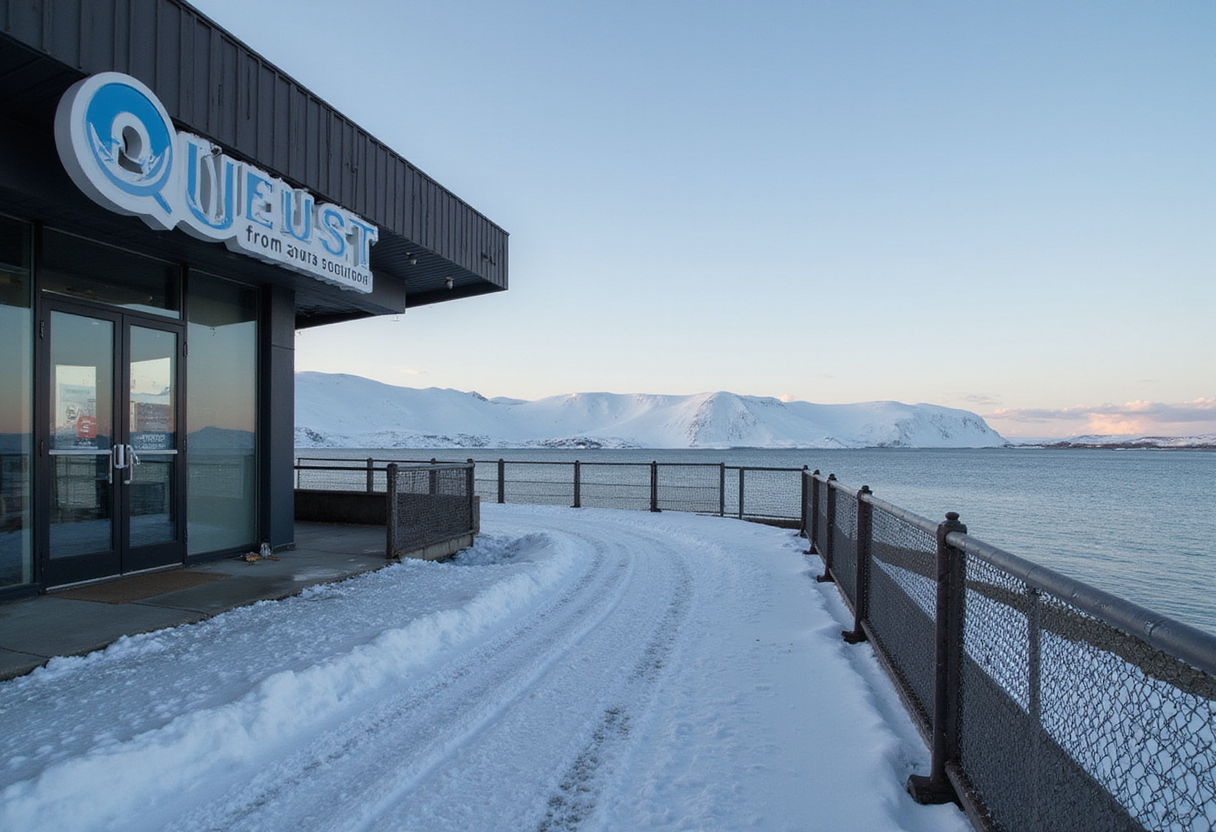
A photograph made in Iqaluit, depicting the Nunavut Quest, is now on display in a Toronto exhibition — the strongest concrete fact in this story, and the one that matters most. For a photographer working from the capital of Nunavut, a territory of roughly 40,000 people spread across the eastern Arctic, having work shown in southern Canada's dominant cultural hub marks a meaningful shift in audience and institutional attention.
The image at the centre of the exhibition documents the Nunavut Quest, an event rooted in Inuit tradition and territory. Its selection for display in Toronto means the work has crossed a geographic and institutional divide that remains significant in Canadian photography. Work made in the North has historically been mediated by southern editors, southern galleries, and southern markets; a Nunavut-based photographer exhibiting in Toronto on the strength of a single northern image inverts that flow, however modestly.
What the picture shows, precisely, the exhibition context makes possible: the Nunavut Quest as subject carries its own weight. Photography of Arctic life occupies a complicated position in the art-historical record. For more than a century, the North was photographed largely by outsiders — expeditions, government surveyors, documentarians flown in for a season — whose images shaped southern perceptions of Inuit life often without Inuit participation behind the camera. That precedent is exactly why an Iqaluit-based photographer's presence in a Toronto exhibition carries more than personal significance. It continues a broader institutional correction, one in which galleries and publishers have increasingly sought work made by northerners themselves, on their own terms.
The choice of a single picture also says something about how such work travels. One image, lifted from a lived context and placed on a gallery wall hundreds of kilometres south, must carry the entire burden of place, event, and authorship. Documentary photographs of community events — races, gatherings, seasonal traditions — function this way when they enter exhibition circuits: they stop being records for the people in them and become representations of a place to audiences who may never have been there. Whether that translation succeeds depends on the strength of the individual frame, and the exhibition's decision to include it suggests the picture holds that weight.
For the photographer, the Toronto showing represents access to a viewing public and a critical infrastructure — curators, collectors, reviewers — that Nunavut itself does not possess in the same concentration. There is no equivalent gallery ecosystem in Iqaluit to Toronto's; the territory's artistic institutions are younger, smaller, and fewer. Exhibitions like this one effectively serve as the bridge, and each crossing makes the next one easier for photographers still working entirely within the North.
It also reflects a wider pattern in Canadian institutional programming. Museums and galleries across southern Canada have in recent years given more wall space and cataloguing attention to Inuit artists across media — printmaking, sculpture, drawing, and, with growing frequency, photography. A Nunavut Quest photograph entering that stream signals that lens-based work by northern photographers is being taken seriously as exhibition material, not merely as journalism or archival documentation.
What happens after the Toronto showing will determine whether this is a one-time distinction or the beginning of sustained visibility. If the exhibition leads to further showings, acquisitions, or commissions for the Iqaluit photographer, the single image now hanging in Toronto will have done more than represent the Nunavut Quest — it will have opened a route south that other northern photographers can follow.
Key points
- An Iqaluit-based photographer's picture of the Nunavut Quest is featured in a Toronto exhibition.
- The showing brings work made in Nunavut to southern Canada's largest cultural hub.
- The inclusion continues growing institutional recognition of northern, Inuit-led photography.
Source: Google News: photography exhibition
Daniel Okafor
Show full bio
News editor covering consumer brands and retail at Lens Gazette.