Image of ICE Family Separation Takes World Press Photo Honors in Amsterdam
Amsterdam's World Press Photo jury has given its top honor to a photograph of ICE officers separating a migrant family, putting the US border crisis at the summit of photojournalism.
Updated
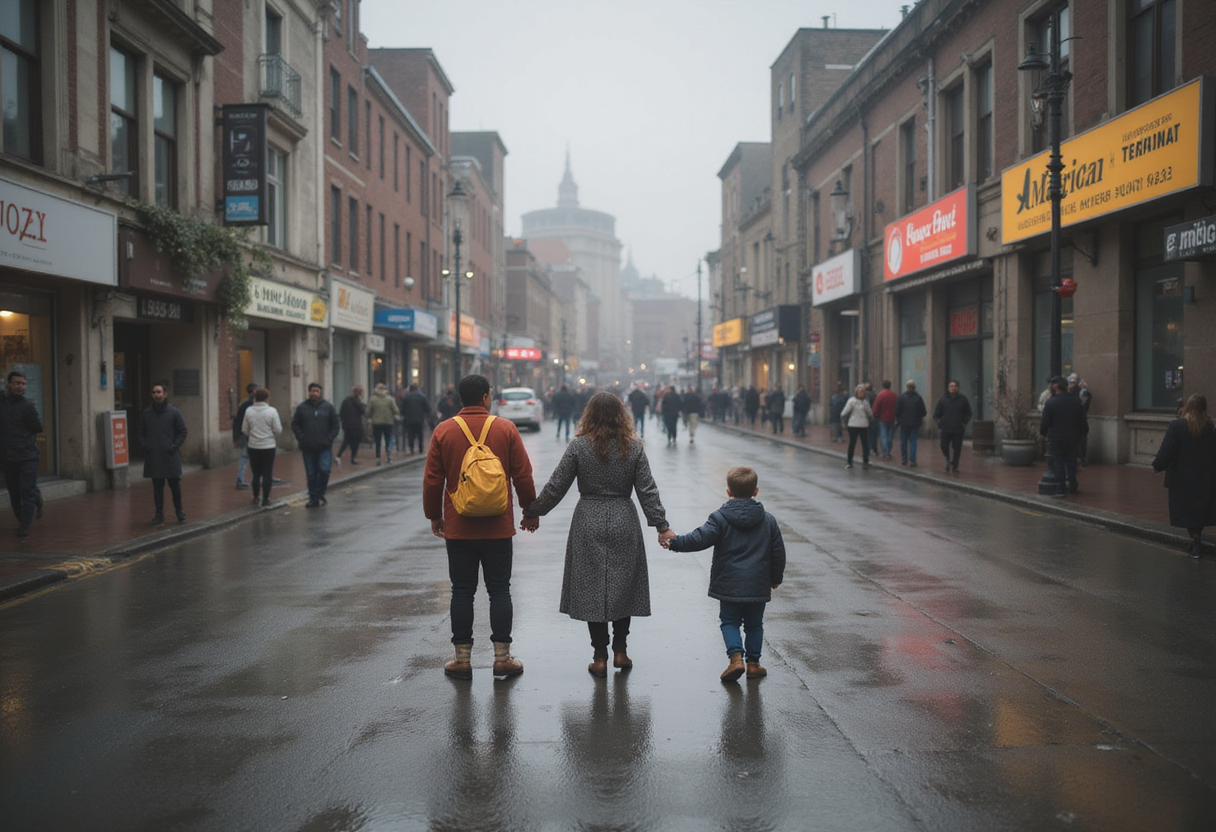
A photograph of ICE officers separating a migrant family has won the World Press Photo contest, with the award announced in Amsterdam. One frame, one prize, and the single most contested policy argument of the past decade is now the year's defining news image.
The World Press Photo foundation, based in Amsterdam, runs the discipline's most recognized competition. Its annual winner functions as an unofficial verdict on what the world's editors and photographers agree mattered most. This year that verdict lands squarely on US immigration enforcement and the practice of family separation at the border.
What does the winning image show?
The photograph documents the moment immigration authorities separate a migrant family. That is the core of the picture, and it is the core of why it won. Photojournalism prizes at this level reward images that compress a policy into a human instant — a document that needs no caption beyond the faces in it.
Contest juries at World Press Photo weigh several criteria: news value, visual storytelling, craft under deadline pressure, and the ethical integrity of the frame. An image of state power acting on a family in distress scores heavily on all four. It also continues a long institutional pattern. The prize has repeatedly gone to pictures of migration and its consequences, and to images that forced policy arguments into public view.
What does this change for photojournalism?
For working photographers, it reaffirms that access to the front line of a political story still produces the images that define a year. For editors, it signals that immigration enforcement remains the visual story of record for this period. For the institution itself, the choice keeps World Press Photo aligned with its founding purpose: singling out the photograph that did the most work as journalism.
There is a harder reading, and it deserves stating. Prizes for images of suffering draw perennial criticism — that the award circulates the picture again, that recognition can shade into spectacle. The counterargument has always been the same. The photograph exists because the event happened. The prize exists to make sure the event is not forgotten. Juries weigh that trade every year, and this year they came down on the side of witness.
Why the venue matters
Amsterdam hosts both the foundation and the announcement, and the city has served as the contest's home since its postwar beginnings. The annual winners then travel: World Press Photo exhibitions tour internationally, and the winning images reach audiences far beyond the news cycle that produced them. A border photograph chosen in a Dutch hall will be studied, printed, and argued over on multiple continents in the months ahead.
For students of the form, the win adds a new entry to a canon that links photojournalism's biggest prize to the moral questions of its era. The photograph of a family being separated now sits in that lineage.
The next step is institutional. The exhibition tour and the foundation's annual publications will carry the image forward, and the coming contest cycle will test whether photojournalism can keep pace with a story that shows no sign of ending.
Key points
- A photograph of ICE separating a migrant family has won the World Press Photo award.
- The winning image was announced and awarded in Amsterdam.
- The prize places US immigration enforcement at the center of this year's photojournalism calendar.
Source: Google News: World Press Photo
Marcus Bennett
Show full bio
Correspondent covering companies, deals and strategy in Photography exhibitions, photographers, photo books, festivals and awards at Lens Gazette.