German Astronaut Rabea Rogge Loads 35mm Film Aboard SpaceX's Fram2 Mission
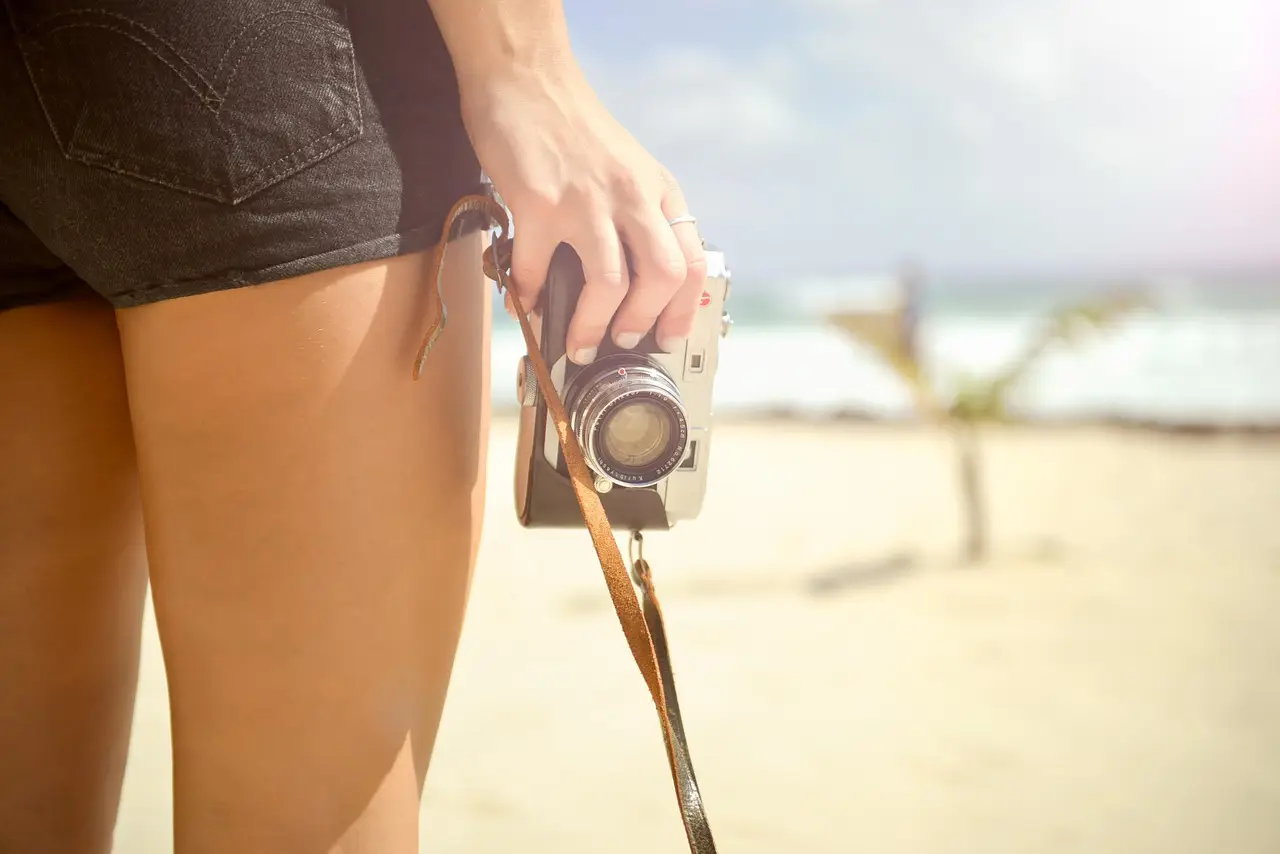
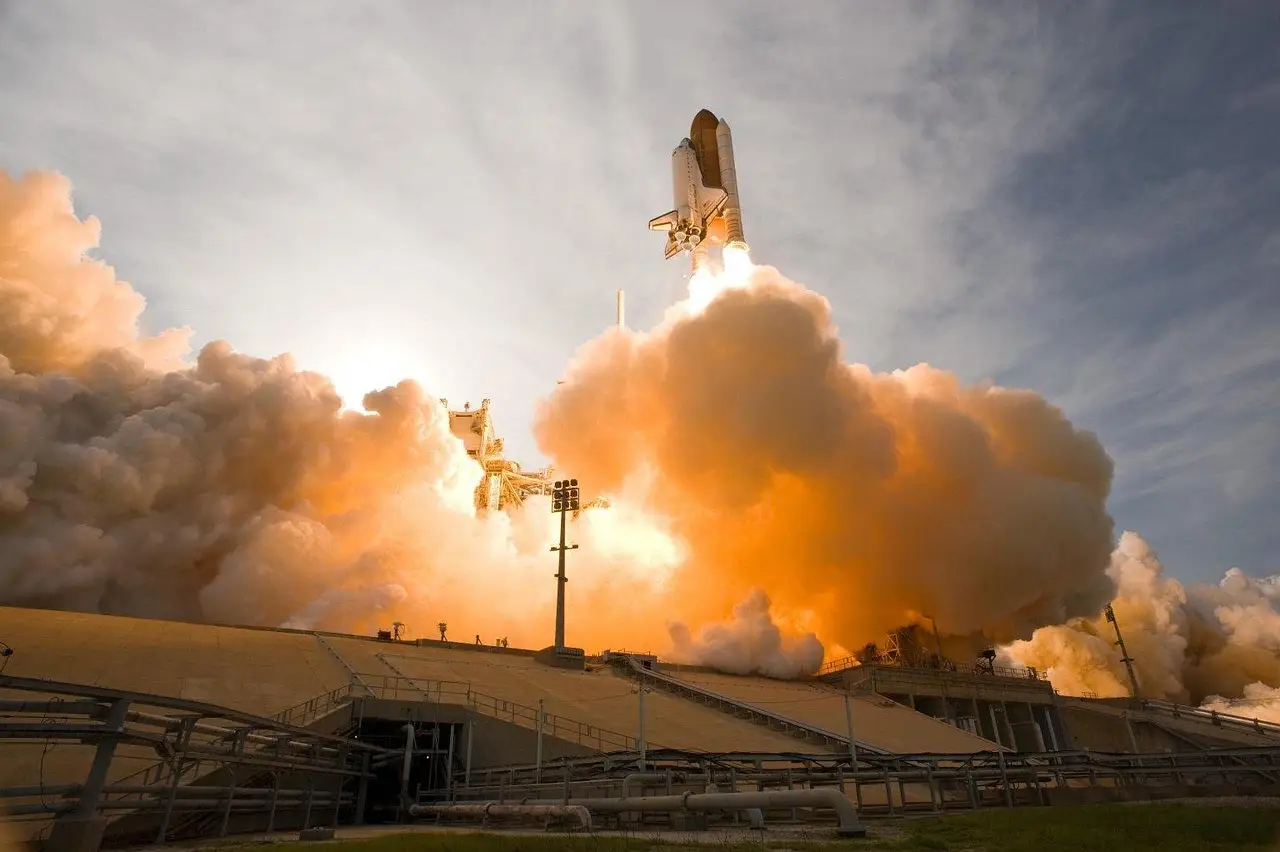
Germany's first female astronaut loaded Kodak Portra into a second-hand Minolta X-700 aboard SpaceX's Fram2 mission, the first crewed flight over Earth's poles.
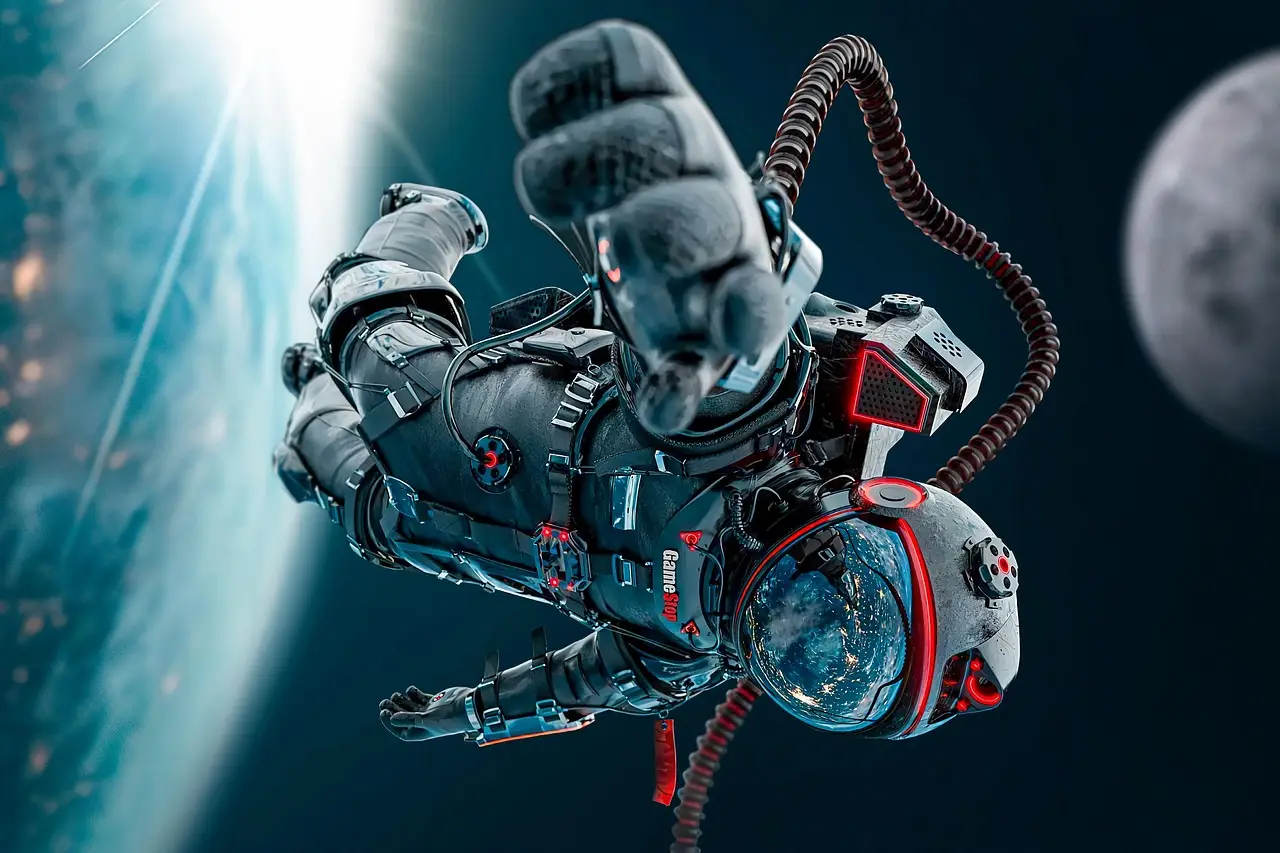
German astronaut Rabea Rogge loaded a roll of Kodak Portra 35mm film into a second-hand Minolta SLR last week while orbiting Earth aboard the SpaceX Crew Dragon Resilience — and posted the moment on Instagram.
Rogge flew on the privately crewed Fram2 mission in April 2025. She is an Arctic roboticist now working toward a PhD at the Norwegian University of Science and Technology's Department of Marine Technology. She also holds a singular place in the record books: Germany's first-ever female astronaut.
What does the video actually show?
The clip is short and unglamorous. Rogge, floating in the Crew Dragon cabin, feeds a roll of Portra 160 into a camera she describes as anything but precious. Plenty of photographers fumble film loading at a kitchen table. She did it in microgravity without missing a beat.
PetaPixel identified the body as a Minolta X-700 with a 45mm lens attached. The X-700 was Minolta's flagship SLR for roughly two decades and took the European "Camera of the Year" award in 1982. The Japanese manufacturer is long defunct, but the model remains a staple of the second-hand market — cheap, mechanical enough, and durable.
Durable is the operative word. "My old second-hand analog camera has been a sturdy companion on all my expeditions," Rogge wrote in her caption, "from under -20°C [-4°F] in the high Arctic to the humid climate at sea around the equator. On Fram2 it got to launch on a rocket as well — and it still lives on so far!"
The cupola and the polar first
With film loaded, Rogge had access to one of the most remarkable viewing platforms ever flown. The Crew Dragon's 360-degree cupola measures 2,000 square inches, making it the largest single window ever sent to space. The dome gave her an uninterrupted frame for analog pictures of Earth.
The mission itself carried its own firsts. Rogge and crewmates Chun Wang, Jannicke Mikkelsen, and Eric Philips became the first people to orbit over Earth's north and south poles. A film camera documenting that trajectory is a curious, deliberate choice in an era when every spacecraft bristles with digital sensors.
The Instagram response captured the romance of it. "Can't imagine the face of the people from the film lab when they scanned your roll," one commenter, Thibaut Everaerts, wrote.
Minoltas have flown before
Rogge's X-700 is not the first Minolta to leave the planet, and the lineage is better than trivia. John Glenn, the first American to orbit the Earth, carried a Minolta Hi-Matic on his 1962 flight — repackaged and sold in the United States as an Ansco Autoset.
The story is famously improvised. Glenn bought the automatic camera for $40 at a drugstore in Cocoa Beach, Florida. NASA engineers then modified it with a pistol grip so he could operate it while wearing his bulky astronaut gloves.
The images Glenn made proved consequential beyond their novelty. Their popularity is credited with convincing NASA that systematic photographic documentation of Earth from orbit mattered — a realization that shaped decades of Earth-observation practice.
Why it matters now
What does this change for photography? In practical terms, nothing — no one is launching film payloads. As a gesture, though, it lands differently. A 1982-vintage SLR, bought second-hand and already scarred by Arctic cold and equatorial humidity, riding a rocket over both poles is a compact argument that photography's value doesn't live in the newest sensor.
Rogge's roll still has to come home, get processed, and get scanned. Whether the resulting prints join the historical line that Glenn's 1962 frames opened remains to be seen — but the film lab that receives them is in for a memorable afternoon.
Key points
- Rabea Rogge flew on the Fram2 mission in April 2025 aboard SpaceX Crew Dragon Resilience.
- She is Germany's first-ever female astronaut and a PhD candidate at the Norwegian University of Science and Technology.
- PetaPixel identified her camera as a Minolta X-700 with 45mm lens, an SLR that won European Camera of the Year in 1982.
- The Fram2 crew — Wang, Mikkelsen, Philips and Rogge — were the first people to orbit over Earth's north and south poles.
- John Glenn carried a $40 Minolta Hi-Matic (as Ansco Autoset) into orbit in 1962, helping establish NASA's Earth photography program.
Source: PetaPixel
Marcus Bennett
Show full bio
Correspondent covering companies, deals and strategy in Photography exhibitions, photographers, photo books, festivals and awards at Lens Gazette.