Frome Wessex Photographic shows about 65 images at Round Tower
Frome Wessex Photographic staged about 65 images by 18 members at the Round Tower, with guest of honour Charlie Waite making the case for sharing photographic art in print.
By Marcus Bennett
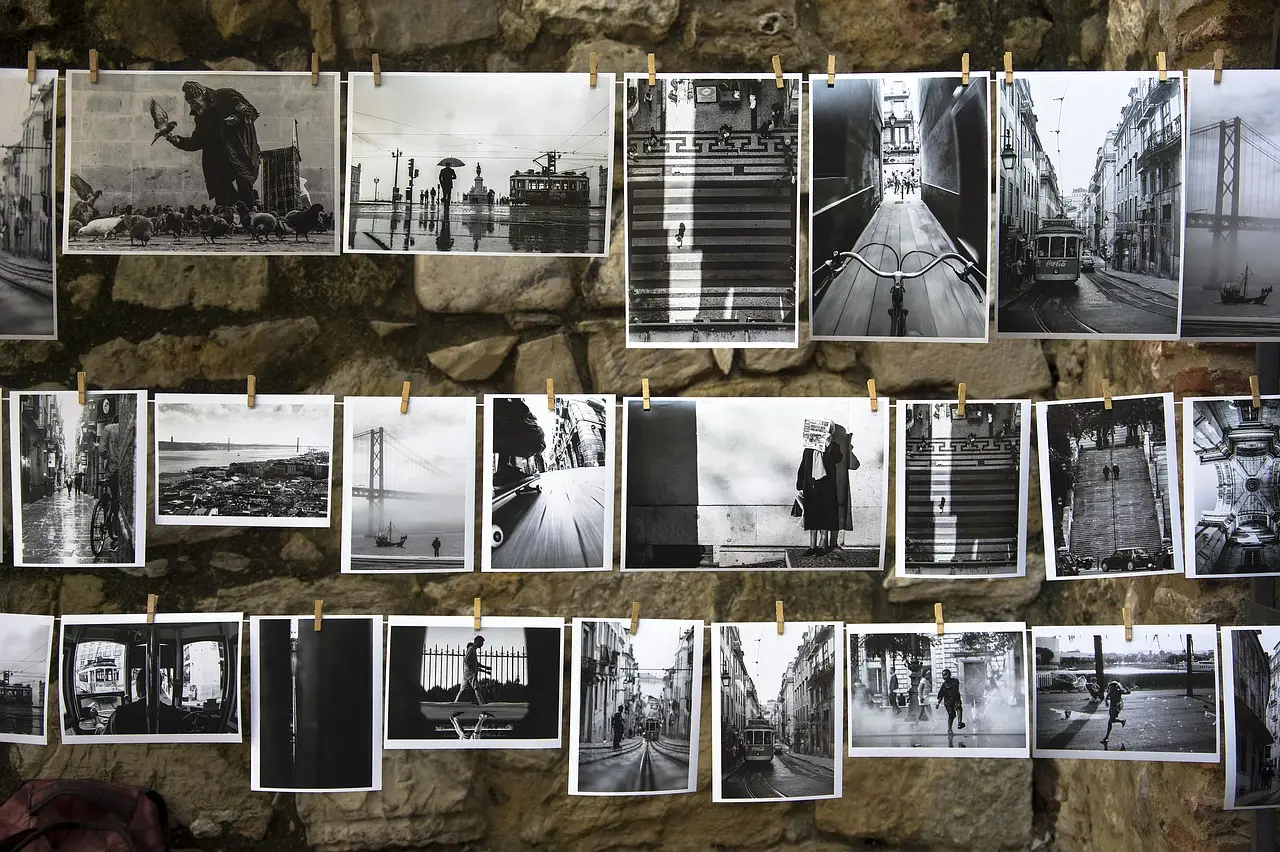
About 65 images by 18 Frome Wessex Photographic members occupied the club’s week-long annual exhibition at the Round Tower in Frome, bringing landscapes, street photography, wildlife and innovative fine-art prints into one public display.
The show also included mounted, unframed pictures and cards for sale. That presentation matters because it treats the photograph as a physical object: a print that can be encountered at a venue and taken home as a card, rather than remaining solely an image circulated through screens.
The structure is collective rather than single-author: 18 photographers share the Round Tower, and several genres coexist. That breadth establishes range, but it also resists a single formal reading.
With no individual titles or makers specified beyond the club and guest photographer, the show’s meaning rests on the cumulative effect of its subjects and methods rather than a demonstrable sequence around one premise.
The club describes its fine-art pictures as images created with innovative photographic techniques, without naming the processes. Technique here serves the work’s stated fine-art category, not novelty for its own sake. That distinction keeps the experiment attached to the picture’s purpose rather than a technical flourish.
South West-based photographer Charlie Waite, described as world-renowned, opened the exhibition as guest of honour. In his talk, Waite highlighted the value of “sharing artwork in print” as a means of inspiring people to appreciate the natural world around them.
His proposition gives the show an ethical and educational edge without making every image a nature picture. Landscapes and wildlife accord with that emphasis, while street work and fine-art experiments widen the programme beyond one environmental cause.
The range also keeps the guest’s talk from standing in for the exhibition itself. Waite supplied a rationale for looking and sharing, but the main display remained the club’s mixed body of work, with three broad genres sharing space with fine-art pictures made through innovative techniques.
That makes Waite’s role an argument for attentive looking and the value of print, rather than evidence of a tightly controlled curatorial brief. It also gives the exhibition a practical centre: prints are shown, discussed in a talk and made available for purchase as cards.
As an annual photographic-club exhibition, the Round Tower show occupies a distinct institutional space. It gathers work from members, gives it a shared setting and lets visitors encounter the results as physical prints. The format makes collective authorship visible, even where individual approaches remain varied.
The practical architecture is plain: the club supplies both production and exhibition, bringing member-made photographs into a shared room for public consideration. That makes the event less a single-author statement than a collective account of what its 18 members have made.
Mounted and unframed presentation puts attention on the image surface and physical boundary of each print rather than on ornate framing. The display also makes cards available for sale, providing a tangible route from viewing to ownership and extending the print beyond the exhibition wall.
What does the exhibition change for local photographers?
On the evidence of this edition, the practical change is immediate but specific. Eighteen members gain a public platform for work made within the club; cards are offered for sale; and the show connects that display to the club’s Friday-evening meetings in Beckington, where experienced and aspiring photographers are welcome.
The meeting arrangement matters because it keeps the exhibition connected to a practical route into the organisation, not a finished wall without follow-up. It also makes the club’s inclusiveness concrete: newcomers can join Friday-evening meetings, while experienced members already contribute to the annual display.
A photograph of the exhibition was credited to Paul Crummay.
For visitors, the immediate offering is a broad, print-led survey and a guest talk linking close looking with attention to the natural world. Beyond this edition, Friday-evening meetings in Beckington remain open to experienced and aspiring photographers, while the annual Round Tower format points towards continued collective exhibitions rather than a one-off event.
Key points
- The annual Frome exhibition ran for a week at the Round Tower.
- About 65 images by 18 Frome Wessex Photographic members were exhibited.
- The display covered landscapes, street photography, wildlife and fine-art images made with innovative techniques.
- South West-based photographer Charlie Waite opened the exhibition as guest of honour.
- Friday-evening meetings in Beckington welcome experienced and aspiring photographers.
Source: Google News: photography exhibition
Marcus Bennett
Show full bio
Correspondent covering companies, deals and strategy in Photography exhibitions, photographers, photo books, festivals and awards at Lens Gazette.