Drexel President Subpoenaed Over Sudden Closure of 198-Year-Old Academy
Drexel's president must testify under subpoena on 16 November about the abrupt September closure of Philadelphia's 198-year-old Academy of Natural Sciences and its 19 million specimens.
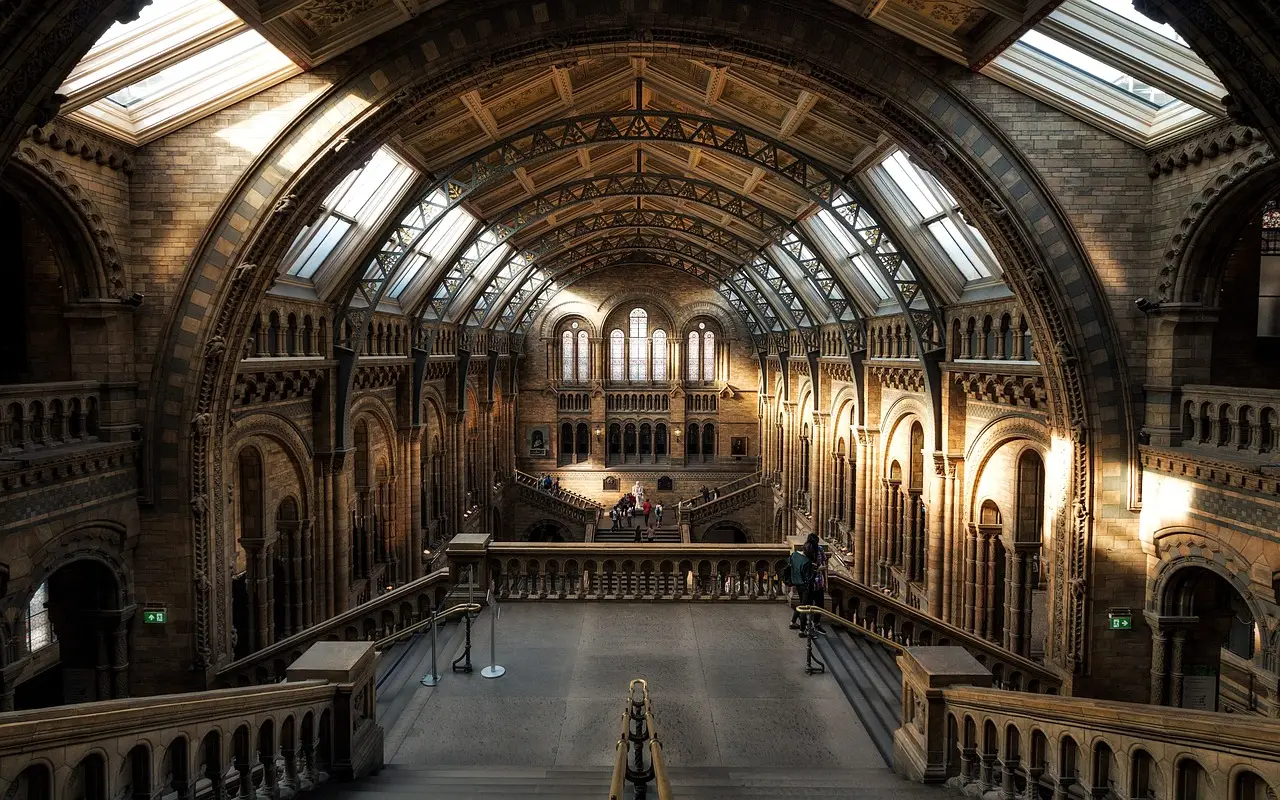
A 198-year-old natural history museum in Philadelphia closed abruptly in September, and now the president of Drexel University must answer for it under subpoena. He will testify before Philadelphia's city council on 16 November. The subject: why the Academy of Natural Sciences shut its doors, and what becomes of its collection of more than 19 million specimens.
The Academy describes itself as the oldest natural history research institution in the Americas. Founded in 1812, it opened its museum to the public in 1828. In 1868 it displayed Hadrosaurus foulkii, the world's first mounted dinosaur skeleton. Its holdings include plants gathered on the Lewis and Clark expedition, John James Audubon's birds and Thomas Jefferson's fossils. That is the institutional weight now in question.
What happened to the staff?
Most employees have been laid off. Staff learned of the closure at a morning meeting on 1 September, says Amber Redfield, a former geosciences collection manager and fossil preparator who now volunteers at the Academy. Most were gone by 1 November. Many people, she says, "found out they were let go in a report by The Philadelphia Inquirer."
The curatorial ranks have thinned sharply. Isa Betancourt, a former curatorial assistant in the entomology department and an organiser with the Save the Academy coalition, says the number of curators has dropped from 11 to five. The invertebrate palaeontology collection manager recently left for a job at the American Museum of Natural History. "There is no plan to replace her," Betancourt told The Art Newspaper. Endowed curator posts in entomology and palaeontology, she adds, have gone unfilled for years.
The remaining collection managers face what Redfield calls an "astronomical increase" in emails and calls from the public. People keep asking: "Is this safe?" "Can I see it?" "Can I book an appointment?" The answer matters for researchers who depend on access.
Takeaway: a collection of 19 million specimens is now managed by a fraction of its former staff.
How did the council respond?
The city council passed a resolution on 17 September to investigate the closure. The resolution calls institutions like the Academy "part of the cultural fabric of the city" and says the shuttering would especially affect residents "for whom the museum is a fixture of the neighbourhood." An initial hearing took place on 26 October. Drexel's president did not attend.
At that hearing, Drexel representatives cited the building's "substantial capital needs" and said public exhibitions need a new model, "almost certainly in a different location." Council members, according to squid biologist and Save the Academy organiser Sarah McAnulty, asked the representatives to check their numbers. "If all you need to keep the public museum open is a million dollars, what the hell are we doing here?" she said, describing the council's reaction.
The finances have a longer history. The Academy became a Drexel affiliate in 2011, while remaining a separate non-profit with its own board. Drexel told the council it had "stepped in as a partner" that year, when the Academy "faced severe financial distress." Rising costs are the stated reason for the closure now.
Takeaway: the council suspects the sums involved do not justify the shutdown.
What about the William Penn Foundation offer?
The William Penn Foundation has offered a year of funding to replace Drexel's subsidy for the museum. "The foundation has not received a response to our offer," a spokesperson told the Inquirer. Drexel later stated it had not received a "formal proposal with a defined level of financial support." The two sides describe the same exchange in different terms.
Takeaway: a rescue offer exists on paper, but no agreement has followed.
Who keeps the collection alive now?
Volunteers do much of the work. Redfield is one of them. "I planned to retire at the Academy and don't have any backup plans," she says. She notes the museum drew more than 60,000 visitors in its final 12 days of public hours. "That's not enough time to shut down a lifetime of scientific and educational work," she adds.
Betancourt questions whether volunteering can carry the load. "Unfortunately, volunteer labour is essential to most natural history collections, but it's not sustainable," she says. "The fact that the volunteer manager was initially slated for termination and had to be reinstated shows Drexel has no idea how these collections function."
Even the Academy's public voice has gone quiet. Its social media accounts have been inactive for two months, and staff cannot access them because Drexel controls them. The director of marketing and communications was let go with the closure. Betancourt says the university may not realise that communications and education staff connect the collections with the public and potential benefactors. Without them, "the collections work in darkness."
Takeaway: the people who link specimens to the public are the ones being cut.
What comes next?
Save the Academy wants Drexel to explain "why no capital campaign was undertaken" and "why the scientific community has been shut out of behind-the-scenes negotiations." Betancourt's verdict is blunt: "The closed-door negotiations got us a closed museum. Natural history collections tied to a financially haemorrhaging university are not safe natural history collections."
The 16 November testimony, under subpoena, is the first time the university's president will answer these questions in a public forum, and the fate of 19 million specimens may turn on what he says.
Key points
- Drexel's president will testify under subpoena before Philadelphia city council on 16 November.
- The 198-year-old Academy of Natural Sciences closed in September 2023, citing rising costs.
- The collection holds more than 19 million specimens, including Lewis and Clark plants and Audubon birds.
- Curator numbers fell from 11 to five; most staff were laid off by 1 November.
- The museum drew more than 60,000 visitors in its final 12 days of public hours.
Source: theartnewspaper.com
Grace Kim
Show full bio
Senior reporter covering companies, deals and strategy in Photography exhibitions, photographers, photo books, festivals and awards at Lens Gazette.