Dock Museum Secures Major Investment for Photo Archive Project
The Dock Museum has secured a major investment to fund a photographic archive project, NW Mail reports, committing resources to its historical image collections on the Barrow waterfront.
Updated
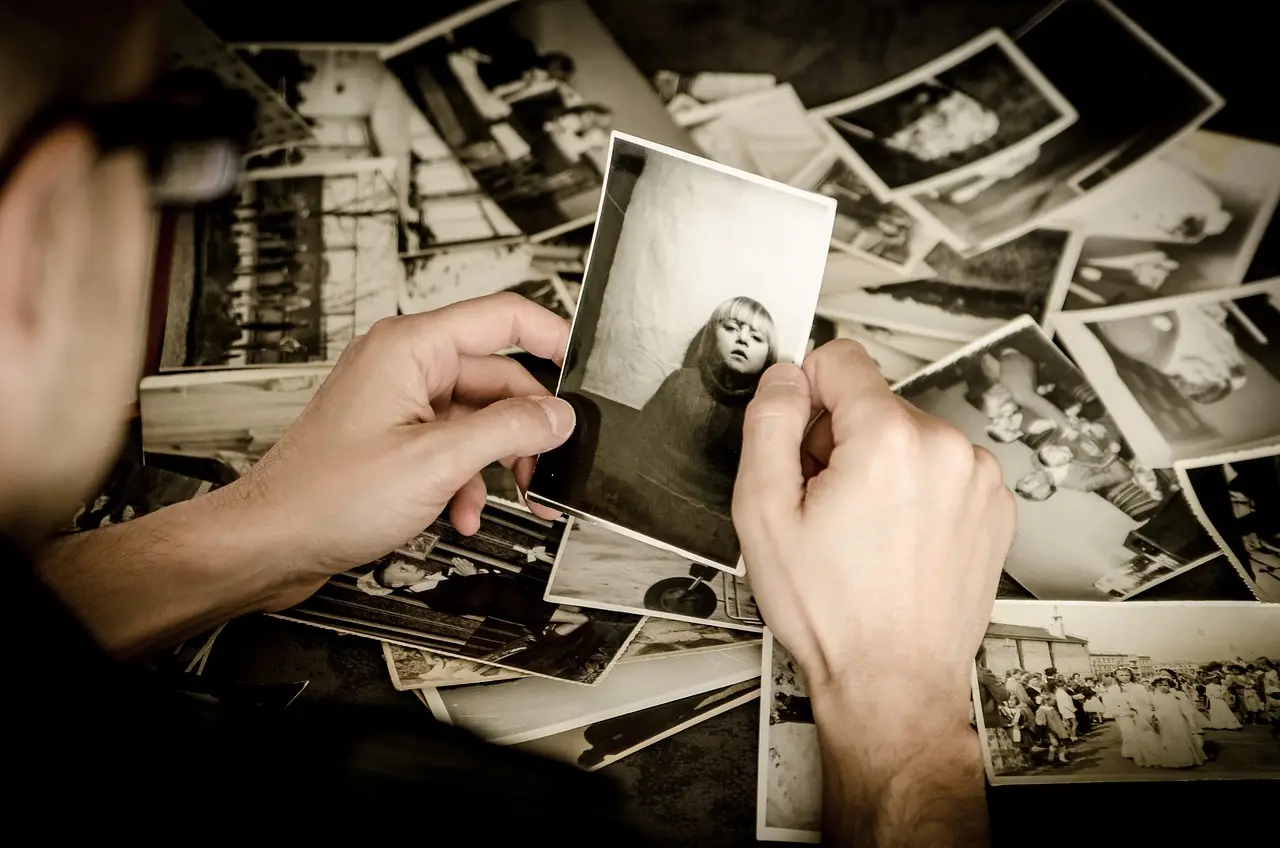
The Dock Museum has secured a major investment to fund a photographic archive project, according to a report by the regional outlet NW Mail. The announcement positions the Barrow-in-Furness museum's holdings of historical photographs at the centre of a funded programme of archival work.
The source report, published under the headline "Dock Museum secures major investment for photo archive project," confirms the investment and the archive's focus but does not yet specify the sum involved, the funding body, or the project's start date. Those details will matter to practitioners watching how regional museums finance photographic heritage work.
What does the investment change for the archive?
For a museum of the Dock Museum's scale, a dedicated investment changes the practical conditions under which a photographic collection is stored, catalogued and digitised. Archive projects of this kind typically determine whether negatives, prints and transparencies sit in indexed, climate-managed storage or remain effectively invisible to researchers.
The Dock Museum sits on the Barrow-in-Furness waterfront and holds material documenting the town's shipbuilding and industrial past. A photographic archive tied to that history carries documentary weight for anyone studying the visual record of British industrial labour and coastal communities.
NW Mail's report establishes the investment as secured rather than proposed. That distinction matters: funding that has already been committed allows curatorial planning to proceed on a fixed timeline instead of contingent one.
Why should photographers and researchers care?
Regional archive projects frequently decide access questions before any cataloguing begins. When a museum secures investment for photographic material, practitioners gain a prospective route to images that may never have been published or exhibited.
The report does not state whether the project includes digitisation, public access provisions or an exhibition outcome. Each of those choices would alter what the investment delivers: a digitised, searchable collection serves historians and photographers nationwide, while conservation-only funding leaves the material preserved but largely unseen.
Museums in comparable situations have used such investments to build volunteer programmes, recruit specialist archivists, or partner with local history societies. Whether the Dock Museum follows any of these routes remains, on the present reporting, an open question.
What happens next?
NW Mail indicates the project is going ahead following the investment decision. Further announcements from the museum on the funding amount, scope and public access arrangements will determine whether this becomes a model for other regional photographic archives or a conservation exercise visible only to staff. For now, the commitment itself marks the key institutional step.
Key points
- The Dock Museum has secured a major investment for a photographic archive project
- The report was published by regional outlet NW Mail
- The museum is located on the Barrow-in-Furness waterfront
- The source does not yet specify the investment amount, funder or project dates
Source: Google News: photography museum
James Calloway
Show full bio
Market editor covering people, launches and day-to-day practice in Photography exhibitions, photographers, photo books, festivals and awards at Lens Gazette.