Brooklyn Eagle Reports Exhibition Honoring Photographer Who Died Working
The Brooklyn Eagle has confirmed a memorial exhibition for a photographer who died taking risky pictures, but the headline-only brief names no artist, venue, date, or curator. Full report to follow.
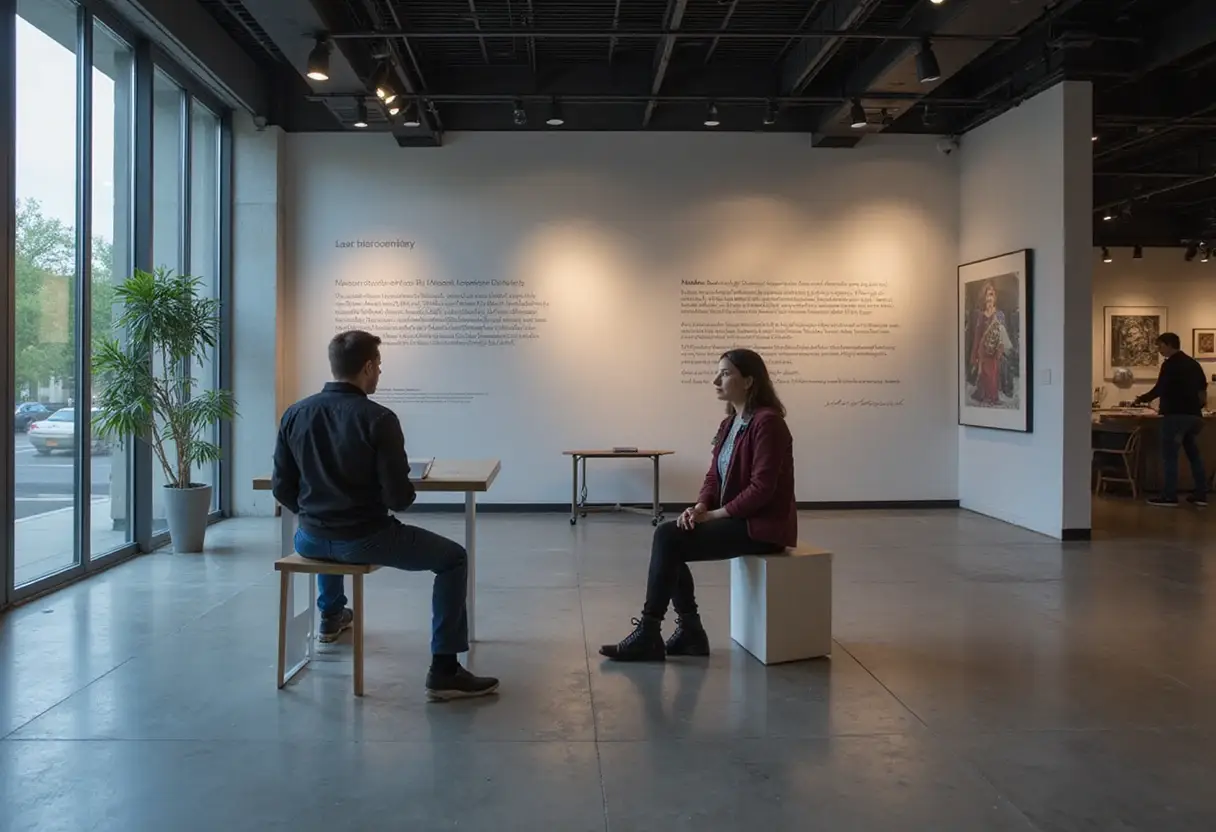
The Brooklyn Eagle has confirmed, in a brief notice, that an exhibition is open to commemorate a photographer who died while working in hazardous conditions. The Eagle headline — "Artist who died taking risky photos remembered at exhibition" — is the only public text currently available. The paper hasn't, in the version circulating now, named the artist, the venue, the city, the opening date, or the curator.
That thinness shapes everything a reader can responsibly say about the show. A memorial exhibition is, by convention, a record of a life as much as a display of work, and the missing name is the single most consequential gap in the brief. Without the name, the work can't be located. Without the venue, the show can't be visited. Without the dates, the timing can't be planned. Without the curator, the framing can't be evaluated. The Eagle has handed readers a door and hasn't told them what's on the other side.
What does the Eagle's headline actually tell readers?
Three things. A photographer made images under conditions that killed them. That photographer has since been formally recognized with a dedicated exhibition. And the institution surfacing the recognition is a Brooklyn news outlet, not a national arts magazine or a major museum press office. The first two are facts. The third is a tilt — local coverage suggests local geography, though neither conclusion is certain.
What does this change for readers?
Practically, very little — yet. The Eagle's brief contains none of the particulars needed to attend: no address, no opening hours, no list of works, no admission terms, no statement from the curator or the artist's estate. A reader who wants to walk through it must wait for a fuller report. The brief is a marker. The marker becomes a story when the details arrive.
For the wider field, the notice also serves as a quiet reminder. Photographers still die in the act of making photographs. The list of names the trade has lost on assignment isn't short, and the circumstances repeat with uncomfortable regularity — storms, conflicts, structures in mid-collapse, vehicles in motion, animals at close range. The exhibitions that mark those losses are, more often than not, modest in scale: alternative spaces, university galleries, small non-profits, the occasional community-funded retrospective, more rarely a museum wing. Whether the show in the Eagle's brief joins that cohort — or breaks out into a major institutional tour — depends on what its organizers publish next, and on whether the work itself survived the circumstances of its making.
What should readers expect next?
A fuller Eagle report, almost certainly. Memorial exhibitions of this kind generate follow-up coverage: an opening-night notice, a curator interview, a family statement, a print-sale announcement, occasionally a controversy. The first paragraph will name the artist. The second will name the venue. The third will describe the work. Until then, the brief stands as a stub, and stubs are how the trade first hears about the deaths it later commemorates.
For now the headline is the headline. The artist remains unnamed. The exhibition, somewhere, waits for its first proper paragraph.
Key points
- Brooklyn Eagle headline confirms a memorial exhibition for a photographer who died while working in hazardous conditions.
- Source text names no artist, venue, city, opening date, or curator.
- No image description, no quotation, no attendance information appears in the available brief.
- Coverage positions the exhibition as a memorial rather than a commercial launch.
Source: Google News: photography exhibition
Marcus Bennett
Show full bio
Correspondent covering companies, deals and strategy in Photography exhibitions, photographers, photo books, festivals and awards at Lens Gazette.