AltaMed opens The Alta with a 4,000-piece collection in Montebello
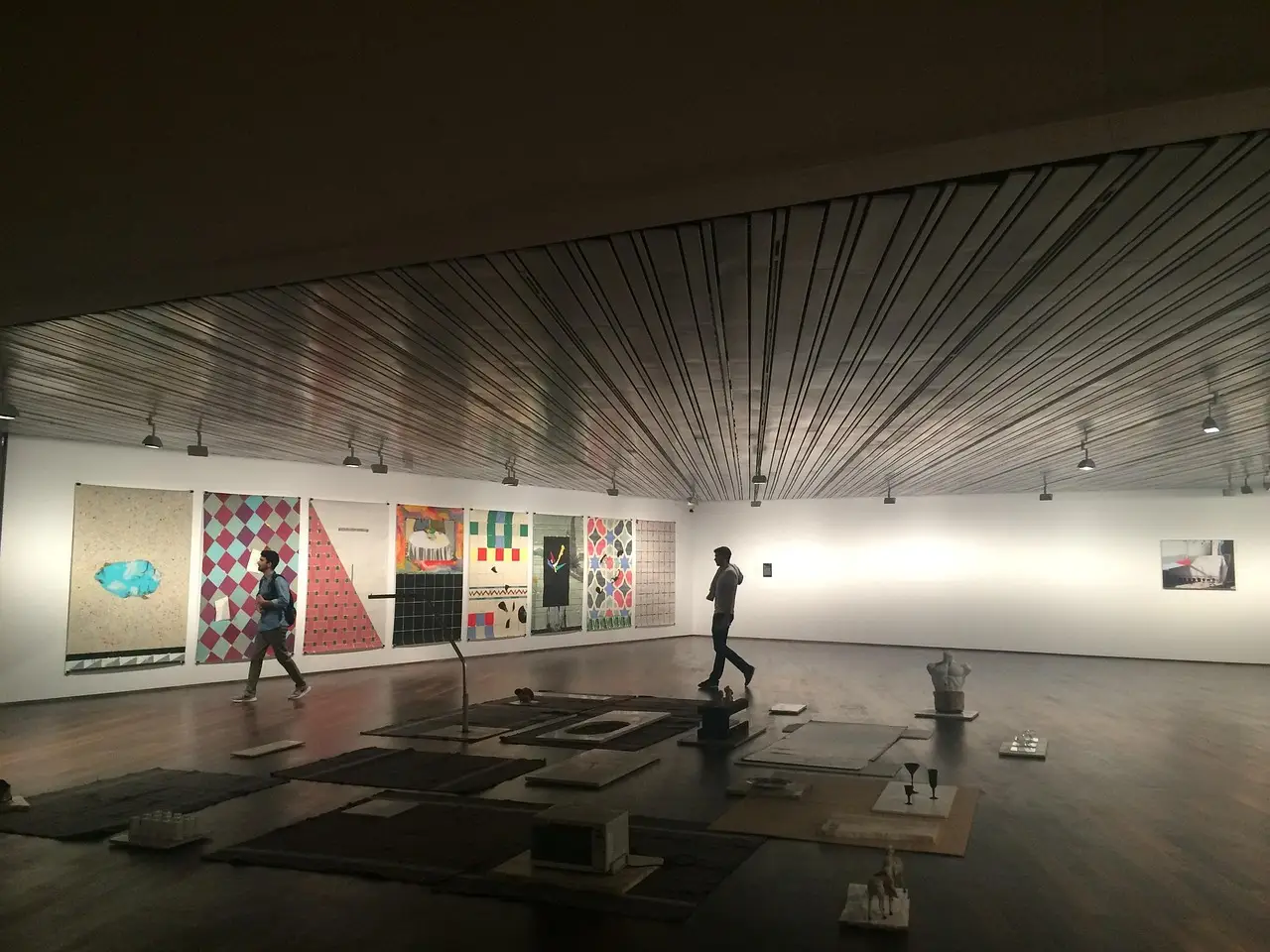
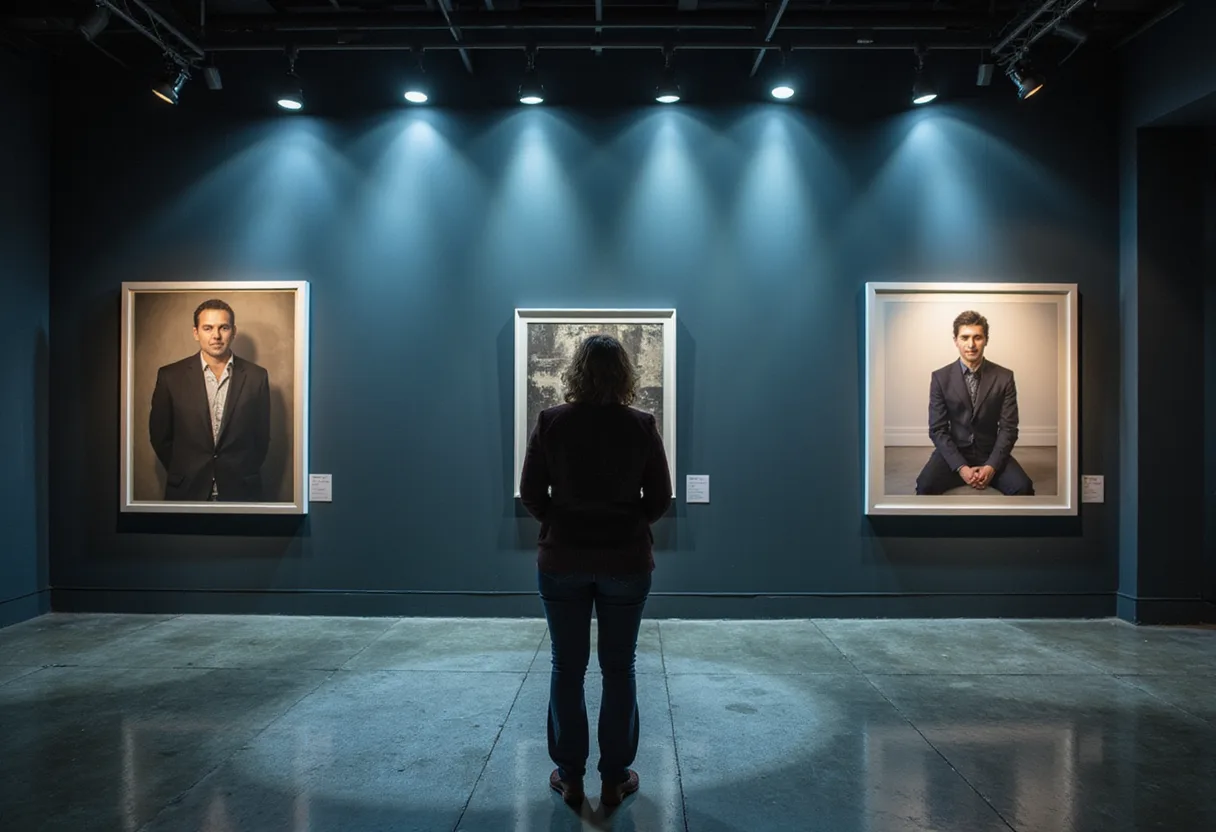
AltaMed will open The Alta, a 30,000-square-foot gallery, library and cultural centre in Montebello on Sunday, 15 November, with some 4,000 collected works and about 1,400 already placed in its clinics and offices.
AltaMed is a major healthcare provider in Southern California. The company has assembled the collection over more than 50 years.
What does AltaMed’s collection contain?
AltaMed began collecting in the 1970s, when it treated art as integral to holistic well-being. Cástulo de la Rocha, the company’s president and chief executive, founded the collection more than 50 years ago.
He said: “Our collection focuses on Chicano art. Because AltaMed was founded as part of the Chicano Movement in the 1970s, because I was active in the Chicano Movement, and because our patients and employees can connect culturally with the art.”
Pilar Tompkins Rivas, AltaMed’s chief curator and vice president of arts, told The Art Newspaper: “The collection is here to serve the communities that AltaMed is focused on in Los Angeles and Orange County, primarily Latino communities. So we think about art that is relevant and celebratory of those populations.”
The collection now spans more than 100 years and several media, although most works come from after the Second World War. About 1,400 pieces are currently placed in AltaMed’s offices and clinics.
Named holdings include works by Laura Aguilar, Graciela Iturbide and Gabriel Orozco. Early pieces include Hernando Gonzallo Villa, the commercial artist known for advertisements and posters designed for the Santa Fe Railway.
- Recent drawings, prints and paintings include Carlos Almaraz, Judy Baca, Camille Rose Garcia, Gronk, Frank Romero, Eloy Torrez, John Valadez and Linda Vallejo.
That breadth gives the collection the scope of an institutional history, even though its founding rationale remains specific. The curator’s statement sets a practical test for the programme. Relevance to Latino communities should shape acquisitions, displays and public activity, not merely supply a theme for the opening.
The collection grew from an explicit commitment to the Chicano Movement.
How does the collection become a public gallery?
The Alta occupies a converted warehouse on the edge of a shopping mall in Montebello. AltaMed developed the building in recent years to give the collection a public setting.
Regular visiting hours will include the gallery and open storage, where works appear on shelves and sliding racks. Visitors can also watch behind-the-scenes digitisation and conservation processes.
Two residency studios extend the programme. The design makes the work of care visible, placing conservation and public access within the same institutional frame rather than treating storage as a backstage matter.
Source: theartnewspaper.com
Grace Kim
Show full bio
Senior reporter covering companies, deals and strategy in Photography exhibitions, photographers, photo books, festivals and awards at Lens Gazette.