75 Photographers, 24 Hours, One City: ASMP's MSP2 Contest Lands in Minneapolis
ASMP's MSP2 puts 75 photographers on the streets of Minneapolis-St. Paul for 24 hours on October 23–24, each shooting and editing one image from an assigned section.
Updated
Seventy-five photographers will get exactly 24 hours to shoot and edit a single image, each confined to an assigned slice of Minneapolis-St. Paul, when the American Society of Media Photographers (ASMP) runs its event MSP2 on October 23 and 24 in Minneapolis. That is the whole premise, and it is a strange one — which is precisely why it deserves a closer look.
The format is deliberately narrow. Participants do not roam the metro freely. Each photographer draws a designated section of the Twin Cities, and whatever picture they submit must come from that territory, captured and finished inside a single day. The constraint does the curatorial work here, not the camera bag.
What makes a 24-hour photo contest different?
Most contests in this field are asynchronous and distant. You shoot on your own schedule, somewhere of your own choosing, and submit weeks later against thousands of anonymous entries. MSP2 inverts every one of those conditions.
- Fixed window: 24 hours, October 23–24
- Fixed place: one assigned section of Minneapolis-St. Paul per photographer
- Fixed field: 75 shooters working simultaneously, in person
That simultaneity is the real variable. Seventy-five photographers working the same city on the same day will produce a accidental collective portrait of Minneapolis-St. Paul, whether or not anyone intends one. The assignment map effectively functions as a grid imposed on the metro, and the resulting images could be read as a distributed survey — one image per grid cell, one day per city. Whether ASMP frames the output that way remains to be seen. The announcement, at least in the form I've seen, doesn't say.
It's worth stressing what a compressed deadline does to craft. A 24-hour cycle that includes editing leaves no room for the usual safety nets: no re-scouting, no return trip when the light was wrong, no agonized week of post-production. The photographer has to read the assigned section quickly, commit to a frame, and stop. Deadline pressure is not a gimmick in this case; it is the whole test.
What we don't know yet
The source material is thin, and a skeptic should say so plainly. We know the dates, the city, the headcount and the duration. We do not know the judging panel, the prizes, the submission criteria beyond "a photo," or how the 75 sections of the metro were drawn and assigned. Each of those gaps matters.
Judging shapes everything in a contest this compressed. If jurors reward immediacy and reportage, one kind of picture wins. If they reward polish, the 24-hour edit window becomes the decisive constraint and the event tilts toward whoever can retouch fastest. The two visions of the contest pull against each other, and nothing in the announcement resolves the tension.
The assignment method matters just as much. A photographer handed a convention district and a photographer handed a rail yard are not playing the same game. Random assignment is fair in the lottery sense and brutal in every other. Again, the announcement is silent on how it works.
Why an in-person event at all?
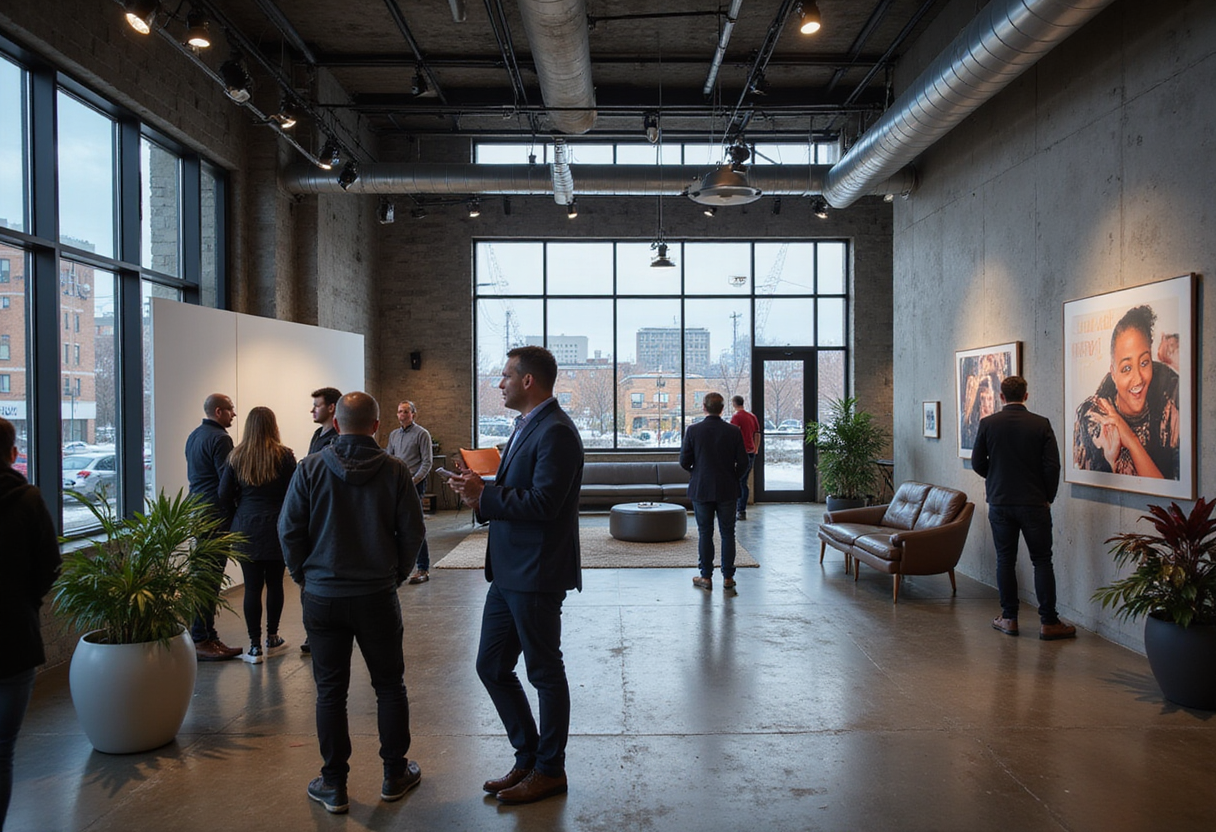
The "in-person" framing in ASMP's own description is telling. Photography organizations have spent years migrating their programming online, and the loneliness of that shift is now a running complaint among working photographers. An event that puts 75 of them in the same city on the same night, even competing, is also a gathering. That social function may outlast the competitive one.
ASMP, as the professional body for media photographers in the United States, has an institutional stake in proving that members benefit from proximity — to each other, and to the cities they photograph. MSP2 reads partly as an argument for that proposition.
The proof will arrive quickly. The contest runs October 23 and 24 in Minneapolis, so within days we should see the winning frames — and, if ASMP publishes broadly, a fuller picture of how 75 simultaneous eyes treated one Midwestern metro in a single rotation of the clock.
Key points
- ASMP hosts the MSP2 event in Minneapolis on October 23 and 24.
- 75 photographers participate, each assigned a designated section of Minneapolis-St. Paul.
- Each photographer has 24 hours to capture and edit a photo.
- The event is held in person, with all participants working simultaneously.
Original: asmp.org
Daniel Okafor
Show full bio
News editor covering companies, deals and strategy in Photography exhibitions, photographers, photo books, festivals and awards at Lens Gazette.