60% of U.S. Shoppers Distrust AI-Generated Product Photos, Study Finds
A June 2026 Baymard survey of 2,273 U.S. shoppers found 60% lose purchase confidence with AI-generated product photos, and 17% won't buy at all.

Sixty percent of U.S. online shoppers say AI-generated product images would make them less confident about buying, according to new research from e-commerce UX research organization Baymard. The number matters. It lands just as retailers race to replace studio photography with generative AI to cut costs.
Baymard ran the study in June 2026, surveying 2,273 U.S. online shoppers. The results split cleanly. Of those surveyed:
- 25% said AI-generated images would slightly reduce their purchase confidence
- 18% said they would significantly reduce it
- 17% said they would not feel confident enough to buy the product at all
- Just 18% said an AI-generated label would make no difference
Add it up and one in six shoppers walks away entirely at the mere knowledge that an image is machine-made. That's before anyone questions whether the picture matches the product.
What does this change for retailers?
For an industry increasingly leaning on generative AI for lifestyle shots, virtual models and marketing visuals, the study frames a straightforward trade-off. Savings on photography budgets against erosion of shopper trust. Christian Holst, co-founder of Baymard, puts the shoppers' logic plainly.
"Shoppers don't treat product photos as decoration. They use them to check what they're actually going to receive: the color, the fit, the texture, the scale," Holst said. "An AI-generated image undermines exactly that. For one in six shoppers, it's enough to walk away from the purchase."
That's the core finding. Product photography functions as evidence, not styling. The image answers a practical question: what lands on my doorstep? Generative imagery, however polished, can't guarantee the answer.
The industry has already supplied its own cautionary exhibits. Last month, PetaPixel reported that food delivery app Just Eat apologized for several inaccurate AI-generated photos on menus. One image showed bacon and eggs floating in a soda. Appetizing it was not.
Where AI imagery fits in the pipeline
Holst doesn't argue for a total ban. AI still has a place in product imagery, he says, but retailers should prioritize authentic photography for core product views. AI-generated backgrounds and lifestyle scenes can serve as supporting visuals, provided brands take active steps to maintain shopper trust.
Baymard's recommendations follow that same line:
- Use authentic photography for primary product images
- Limit AI-generated visuals to supporting content
- Address shopper skepticism directly when deploying AI imagery
The full findings and charts are available on Baymard's website.
The cost squeeze behind the shift
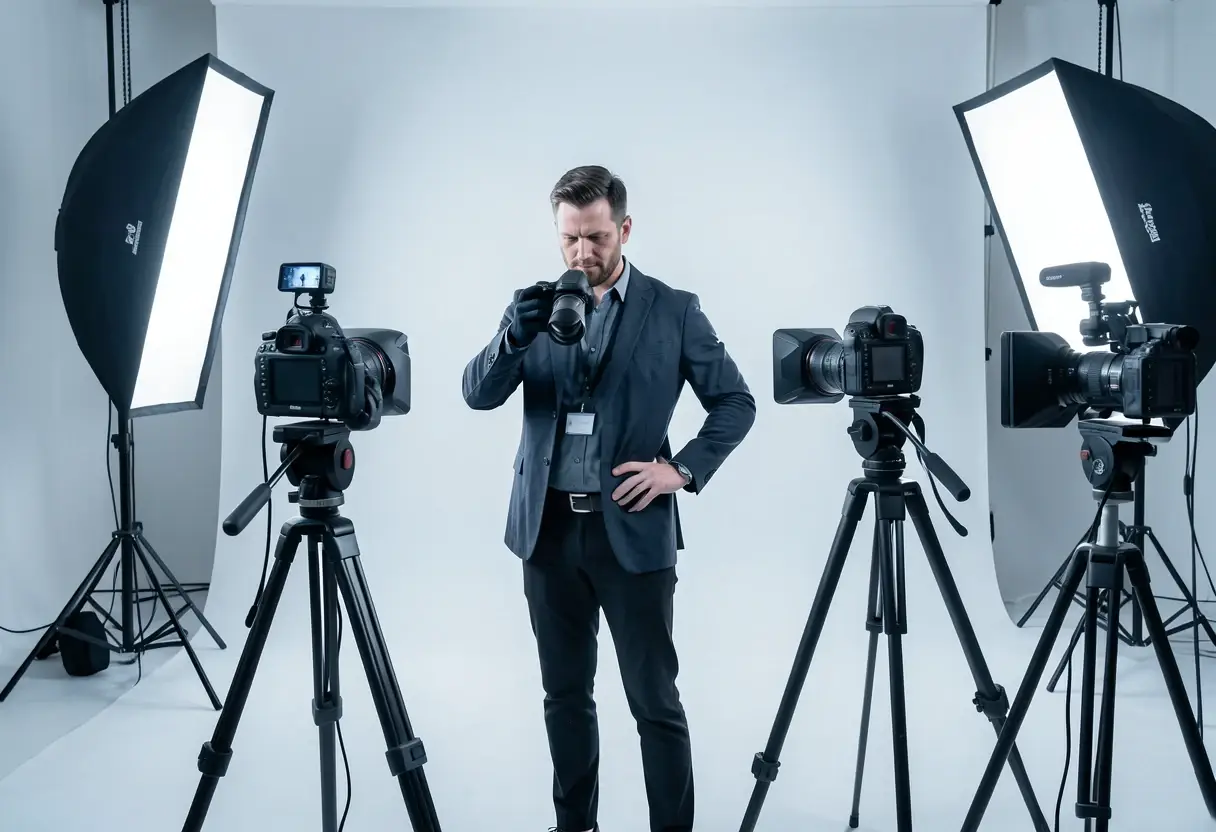
None of this is happening in a vacuum. Fashion photo studios are closing down as brands embrace AI for the savings it offers. The economics are real, and the pressure on commercial photographers is real with them. What the Baymard data adds is the demand side of the ledger. Cheap imagery that suppresses conversion isn't cheap.
There's an institutional lesson here too. The photograph's authority in e-commerce rests on its indexical claim — that the camera was pointed at the actual object. Generative tools break that link. Shoppers, the survey suggests, have noticed, even when the images look flawless. The problem isn't aesthetic quality. It's provenance.
What does this change for working photographers? Potentially a lot. If 60% of shoppers punish AI imagery with reduced confidence, authentic product photography becomes a measurable conversion asset rather than a commodity line item. Brands that can document the authenticity of their images hold a claim their AI-reliant competitors can't match.
The direction of travel, though, runs both ways. Retailers will keep pushing generative imagery into their pipelines because the cost logic is too strong to ignore, and Baymard's own framing expects AI to stay in supporting roles. Expect the next round of research to test where shoppers draw the line as AI imagery becomes harder to detect — and whether disclosure norms harden into regulation before trust erodes further.
Key points
- 60% of 2,273 U.S. shoppers surveyed in June 2026 say AI product images reduce purchase confidence
- 17% would not feel confident enough to buy at all
- Just Eat apologized last month for inaccurate AI-generated menu photos
- Baymard recommends authentic photography for primary product images
Original: baymard.com
Marcus Bennett
Show full bio
Correspondent covering companies, deals and strategy in Photography exhibitions, photographers, photo books, festivals and awards at Lens Gazette.